


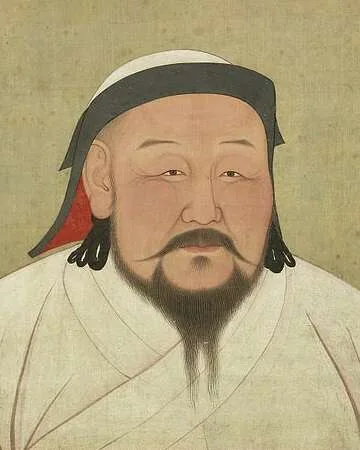
The Tense Negotiations of 1260
In the year 1260, significant tensions brewed between the Mongol Empire and the Song Dynasty of China, a conflict precipitated by differing interests in territory and governance. During this period of diplomatic strife, Hao Jing, a key envoy of the Mongol leader Kublai Khan, found himself held captive within the imperial court of the Song Dynasty. This event marked a crucial moment in the history of Sino-Mongol relations, highlighting the precarious balance of power during this time.
Hao Jing's mission aimed to establish favorable terms between Kublai Khan and the Song Dynasty, which was indicative of the larger strategy of the Mongols to consolidate their power in China. The emissary sought to negotiate a peaceful coexistence, but his efforts were thwarted by political intrigue and suspicion at the Song court, especially under the influence of the high Chancellor Jia Sidao.
Hao Jing’s Role as Envoy
Hao Jing, as the representative of Kublai Khan, played a pivotal role in attempting to bridge the gap between the two empires. His appointment as envoy symbolized the Mongols' diplomatic approach to subdue the Song, rather than through outright warfare. This approach illustrated the Mongols' tactical flexibility in their expansionist ambitions.
The Decision of Jia Sidao
The imprisonment of Hao Jing was orchestrated by Jia Sidao, the powerful and ambitious Chancellor of the Song Dynasty. Jia’s decision to detain the Mongol envoy stemmed from a strategy to maintain power and protect the Song’s interests amid growing external threats. This act not only eliminated a potential threat from the Mongol side but also showcased the internal power struggles within the Song court.
The Aftermath of Imprisonment
The outcome of Hao Jing’s imprisonment had far-reaching consequences. His detention further escalated hostilities between the Mongols and the Song Dynasty, as it was viewed as an affront to Kublai Khan. The Mongols, known for their military prowess, reacted with increased aggression, ultimately leading to further military campaigns against the Song.
Escalation of Hostilities
Following the imprisonment, the Mongol forces intensified their efforts against the Song, ultimately leading to a series of military engagements that would challenge the resilience of the Song Dynasty. The event underscored how diplomatic failures could spiral into warfare, illustrating the fragility of peace in an era characterized by conquest.
Legacy of Hao Jing’s Imprisonment
Hao Jing’s plight became a historical reference illustrating the tumultuous relationship between the Mongol Empire and the Song Dynasty. His imprisonment not only affected diplomatic ties but also represented the tragic fate of diplomats caught in the crossfire of geopolitical ambitions. The war that ensued signified a shift in power dynamics in East Asia and redefined Chinese history.
Fun Fact
Not Just an Envoy but a Symbol of Diplomacy
Interestingly, Hao Jing’s story transcends the narrative of a simple envoy. He became a symbol of the delicate nature of diplomacy during the era of Mongol expansion, highlighting how communication could serve as both a bridge and a battleground.
Additional Resources
Recommended Reading on the Mongol Empire and Song Dynasty
To better understand the complexities of this historical event, consider exploring The Mongol Art of War by Timothy May and China's Last Empire: The Great Qing by William T. Rowe, both of which provide broader context on the period.








 Continue with Google