


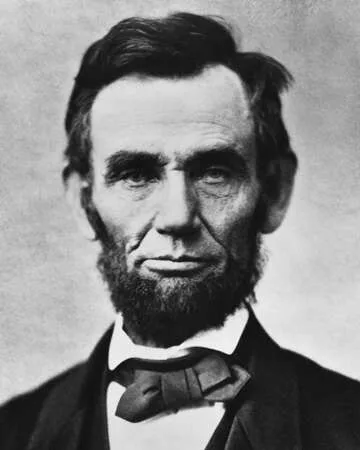
Abraham Lincoln's Historic Inauguration
On March 4, 1861, Abraham Lincoln took the oath of office, becoming the 16th President of the United States. This was a pivotal moment in American history, reflecting a nation on the brink of civil conflict. Lincoln's election had sparked tensions between Northern and Southern states over issues such as slavery and states' rights. His inauguration was not just a ceremony; it marked the start of a leadership that would face unprecedented challenges.
The Oath of Office: A Moment of Unity and Division
During the inauguration, Lincoln delivered an inaugural address that aimed to convey a message of unity amid the brewing storm of civil war. He called for reconciliation and emphasized that he had no intention of interfering with slavery in states where it already existed. His calm demeanor and eloquent words were aimed at healing a divided nation, yet whispers of secession were growing louder.
Abraham Lincoln's Position Amidst Turmoil
As he was inaugurated, seven Southern states had already declared their secession from the Union, forming the Confederacy. The nation was facing an immense political crisis, and Lincoln was aware that his presidency would be defined by his responses to the impending conflict. His leadership style, featuring a combination of resolve and compassion, was crucial during these tumultuous times.
Challenges Ahead for the 16th President
Lincoln's challenge was not solely political; he was expected to navigate through complex military, social, and economic issues that his administration would face. His leadership was put to the test as the first shots of the Civil War were fired only weeks after his inauguration.
The Civil War: A Test of Lincoln's Leadership
Lincoln's presidency is indelibly linked to the American Civil War. As commander-in-chief, he had to make difficult decisions, balancing the needs of the Union with the growing sentiment for emancipation. His approach would evolve as the conflict raged, but his commitment to preserving the Union remained unwavering.
Lincoln's Vision for a United America
From the start, Lincoln envisioned a nation that was united, free, and equal. His policies reflected a determination to address the fundamental issues that divided the country. Among these key issues was the question of how to handle slavery, which culminated in pivotal decisions during his presidency, including the issuance of the Emancipation Proclamation.
Fun Fact
Lincoln's Inaugural Address: A Historical Speech
Lincoln's first inaugural address is notable for its length, running over 6000 words. Despite the gravity of the moment, he appealed to the American public with an optimistic vision for the future, even amid the secession crisis.
Additional Resources
Recommended Reading on Abraham Lincoln
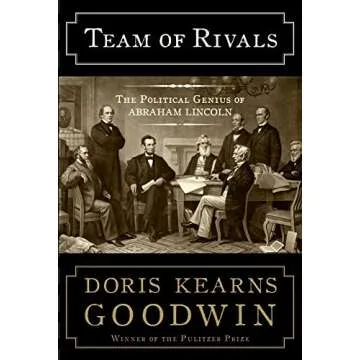
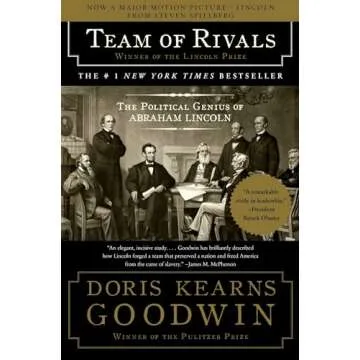
For those wishing to dive deeper into Lincoln's life and presidency, consider reading "Team of Rivals" by Doris Kearns Goodwin, which explores his leadership style, or "Lincoln" by David Herbert Donald, a detailed biography capturing the essence of his character.





 Continue with Google