


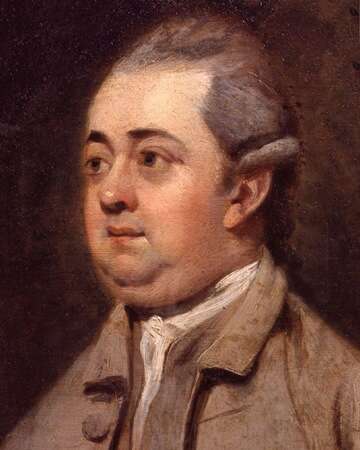
The Moment of Inspiration in 1764
Edward Gibbon's Encounter with Friars
In the year 1764, a young historian named Edward Gibbon found himself in the ruins of the Temple of Jupiter in Rome. This moment was pivotal not just for Gibbon, but also for the annals of history, as it marked the inception of one of the most significant works in historical literature: The History of the Decline and Fall of the Roman Empire. The sight of a group of friars melodiously singing amidst the echoes of history intrigued Gibbon and sparked within him a profound contemplation about the ancient world.
The Ruins of Rome as a Catalyst
The magnificent yet dilapidated Temple of Jupiter resonated deeply with Gibbon. He was struck by the juxtaposition of the resplendent past and the somber present, which symbolized the trajectory of the Roman Empire itself. This emotional experience drove him to reflect on the empire's decline, leading him to pursue writing a comprehensive analysis of its fall. It's remarkable how such a simple yet powerful moment could ignite the flame of literary genius.
The Journey Towards Writing History
Edward Gibbon's Dedication to Historical Research
Following his enchanting experience in Rome, Gibbon dedicated the subsequent years to meticulous research and writing. His scholarly ambition culminated in the publication of the first volume of his monumental work in 1776. Gibbon's deep interest in the reasons behind the Roman Empire's decline made his analysis pivotal in understanding not only ancient history but also themes of political and cultural decay.
The Impact of The History of the Decline and Fall
Upon its release, The History of the Decline and Fall of the Roman Empire was received with both acclaim and criticism, influencing historians for generations to come. Gibbon's narrative style, rich with detail and eloquence, helped solidify his reputation as one of the foremost historians of the Enlightenment. His work not only chronicled events but also reflected on the philosophical implications of decline, making it a timeless classic in the study of history.
Fun Fact
Edward Gibbon’s Fascination with Decline
Gibbon was not merely documenting history; he was deeply fascinated by ideas of civilization blights, and he famously credited Christianity as a significant factor in the decline of Rome, a concept that ignited much debate among scholars and historians following his publication.
Additional Resources
Recommended Reading on Edward Gibbon
For those interested in delving deeper into Gibbon's life and works, consider reading The History of the Decline and Fall of the Roman Empire, along with biographies such as Gibbon: A Life by David L. Smith, which offers insights into his experiences and thoughts that shaped his influential writing.






 Continue with Google