


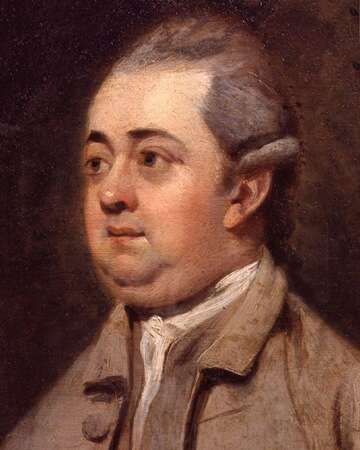
Celebrating the Birth of Edward Gibbon
On April 8, 1737, the world welcomed a significant figure in historical writings, Edward Gibbon. Born in the quaint suburb of Putney, England, Gibbon would become renowned for his profound insights and detailed narratives, particularly his magnum opus, The History of the Decline and Fall of the Roman Empire. His work not only improved the scholarship of his time but also left an indelible mark on the study of history as a discipline.
Gibbon was not just any historian; he was a masterful storyteller, capable of weaving intricate narratives that captivated readers. His unique approach combined meticulous research with a compelling narrative style that transformed the way history was written and perceived.
The Impact of Edward Gibbon
Through The History of the Decline and Fall of the Roman Empire, Gibbon presented a sweeping and critical analysis of the Roman Empire's trajectory. His examination of the reasons behind the empire's decline, which included political corruption, military decay, and the rise of Christianity, has influenced countless historians and continues to be a fundamental text in understanding not just Roman history but also the evolution of Western civilization.
The Legacy of Gibbon’s Writing Style
Gibbon’s writing is characterized by elegant prose and profound philosophical insights. He combined a sense of critique with a narrative flair, making his historical accounts both educational and enjoyable to read. His work encouraged others to approach history with a similar blend of rigor and literary skill, setting a high standard for future historians.
Recognizing Edward Gibbon’s Influence
Today, Edward Gibbon is celebrated not only for his historical contributions but also for challenging the boundaries of scholarly writing. His detailed narrative has sparked debates among historians and continues to provoke thought on the complex interplay of factors that contribute to the rise and fall of civilizations.
The Enduring Relevance of Gibbon's Observations
The themes presented by Gibbon resonate in modern discussions about governance, societal values, and the costs of imperial ambitions. His predictions of societal decline offer timeless lessons that remain relevant even in today's geopolitical climate.
Edward Gibbon’s Historical Context
Living in the 18th century during a time of significant political upheaval and philosophical enlightenment, Gibbon was influenced by the ideas of his contemporaries. The Enlightenment's emphasis on reason and empirical evidence shaped his perspective, leading him to approach history in a way that questioned prevailing institutions and beliefs.
Fun Fact
Edward Gibbon’s Unexpected Upbringing
Interestingly, Edward Gibbon was not initially met with fortune. His upbringing was marked by wealth from his father's successful business, but at age 15, he was sent to a boarding school, which cultivated his intellectual pursuits and passion for literature, setting the stage for his illustrious career as a historian.
Additional Resources
Recommended Reading on Edward Gibbon
For those interested in delving deeper into Gibbon's life and work, consider reading the following influential texts: The History of the Decline and Fall of the Roman Empire for an in-depth look at his analysis, and Edward Gibbon: The History of His Life and Work for a comprehensive biography that explains Gibbon’s context and scholarly contributions in detail.







 Continue with Google