



The Birth of the Rubik's Cube
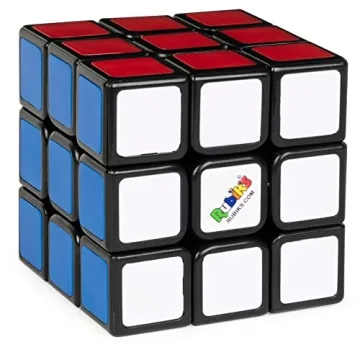
In 1975, a Hungarian architect named Ernő Rubik made a groundbreaking invention that would captivate puzzle enthusiasts around the globe: the Magic Cube. Originally conceived as a teaching tool for his architecture students to understand three-dimensional geometry, the cube soon transformed into one of the most famous puzzles in history. Rubik's Cube combines vibrant colors and mechanical movement, challenging users to align all sides to display a single color.
The Original Concept of the Magic Cube
The Magic Cube was initially a simple but effective educational device. Its unique design featured 26 smaller cubes, or "cubies," rotating around a central axis. Rubik's intent was to help students grasp complex three-dimensional concepts, yet he inadvertently created a device that would lead to worldwide fascination. Little did he know that his invention would evolve beyond the classroom and ignite a global phenomenon.
The Patent Application and Early Development
In 1975, Ernő Rubik applied for a patent for his invention, which he originally called the Magic Cube. After receiving the patent in 1977, Rubik began producing the cubes and selling them in Hungary. The design, while innovative, had yet to gain international attention. However, its intrinsic challenge and appeal attracted more enthusiasts, leading to its eventual licensing for international distribution in the 1980s.
The Rise of the Rubik's Cube
In the early 1980s, the Rubik's Cube exploded into the global market. Its combination of colorful faces and complex challenges struck a chord, and it quickly became a popular toy. People of all ages found themselves enchanted by the possibility of solving the puzzle, leading to avid competitions and a vibrant subculture of cubers.
The Cultural Impact of the Rubik's Cube
The Rubik's Cube left an indelible mark on popular culture. By the early 1980s, millions of cubes were sold worldwide, and it became a symbol of intellectual prowess and creativity. Cubing competitions emerged, inspiring a new generation to hone their skills and break speed-solving records.
Innovations and Challenges Unlocked by the Cube
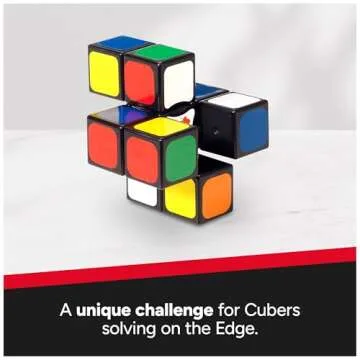
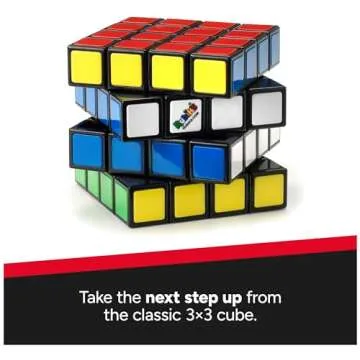
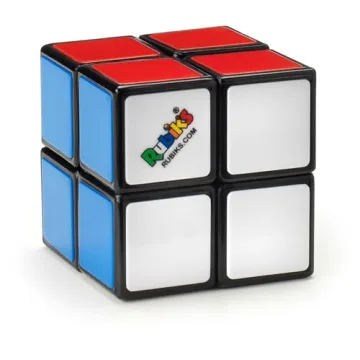
Over the years, the Rubik's Cube has inspired countless derivatives, including various shapes and sizes. Competitions have also grown increasingly sophisticated, with algorithms and speed cubing techniques advancing rapidly. The cube continues to challenge and inspire enthusiasts of all ages, demonstrating that simple ideas can evolve into global sensations.
Fun Fact
Ernő Rubik's Legacy
Did you know that the Rubik's Cube is not only a beloved toy but also a source of inspiration for scientific study? Researchers have used the cube to explore topics ranging from mathematics to cognitive psychology, showcasing its impact beyond mere entertainment.
Additional Resources
Recommended Reading on the Rubik's Cube
If you're keen to learn more about the Rubik's Cube phenomenon, check out the books "The Cubed: A Book about the Rubik's Cube" and "Solving the Cube: The Secrets of the World’s Most Famous Puzzle". These resources offer fascinating insights into the history, culture, and techniques surrounding this iconic invention.





 Continue with Google