


Understanding the RSA Encryption and Its Significance
The year 1983 marked a pivotal moment in the field of cryptography with the granting of a patent for the RSA cryptographic communication system and method. Named after its inventors, Rivest, Shamir, and Adleman, this algorithm laid the groundwork for modern secure communications and is still the backbone of internet security today.
The Birth of RSA
The RSA algorithm was introduced by MIT professors Ron Rivest, Adi Shamir, and Leonard Adleman. The trio designed it to facilitate secure data transmission without the need for exchanging cryptographic keys beforehand. Their innovative approach combined number theory, making it feasible to encrypt and decrypt data using public and private keys.
The Technical Breakthrough
The essence of RSA lies in its use of large prime numbers to generate the keys needed for encryption. By leveraging the mathematical properties of primes, RSA encryption provides a level of security that was revolutionary at the time. The system relies on the difficulty of factoring large numbers, a task that becomes computationally infeasible as number sizes increase.
The Impact of the RSA Patent on Technology and Society
Following the patent in 1983, the RSA algorithm began to gain traction among tech companies and government agencies, forever altering the landscape of data security.
Ubiquity in Digital Communication
Today, RSA encryption is utilized in various secure communication protocols, enabling safe online transactions, email confidentiality, and secure data transfers. Its widespread adoption is a testament to the foresight of Rivest, Shamir, and Adleman in recognizing the growing need for secure communication in an increasingly digital world.
Legacy and Ongoing Relevance
While newer encryption methods have emerged, the RSA algorithm remains a critical part of cryptography education and application. Its principles continue to influence the development of secure technologies, underscoring the enduring relevance of the pioneering work of its inventors.
Fun Fact
Did You Know About RSA's Name?
The name RSA comes from the initials of the last names of its three inventors: Rivest, Shamir, and Adleman. This simple yet memorable acronym has become synonymous with secure communication in the digital age.
Additional Resources
Recommended Reading on RSA and Cryptography
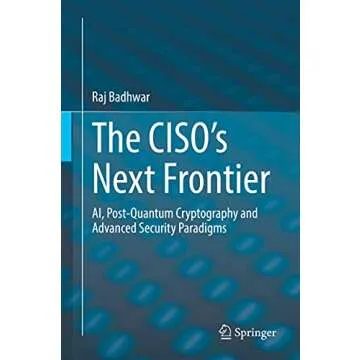
If you're interested in exploring the world of cryptography further, consider the following books: "Applied Cryptography" by Bruce Schneier, and "Cryptography and Network Security" by William Stallings. These texts provide an in-depth look at encryption methods, including RSA, and their applications in today's technology.










 Continue with Google