


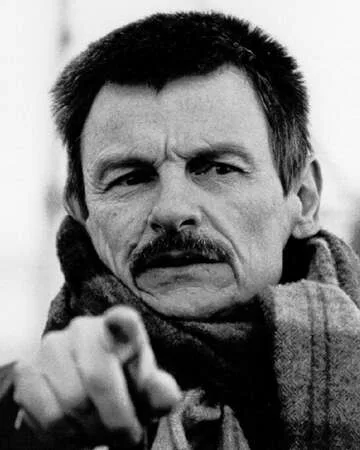
Andrei Tarkovsky: A Pioneering Visionary in Cinema
The Life of Andrei Tarkovsky
Andrei Tarkovsky was born in 1932 in Zavrazhye, Russia. As a celebrated Soviet filmmaker, he is renowned for his poetic and philosophical approach to cinema. Among his most acclaimed works are Andrei Rublev, Mirror, and Stalker, which continue to influence filmmakers and provoke thought among audiences worldwide.
The Films That Define Tarkovsky
Tarkovsky's films are characterized by their profound exploration of the human condition, time, and existence. Andrei Rublev (1966), depicting the life of the famous icon painter, reflects on the nature of creation amidst societal turmoil. Stalker (1979), a science-fiction allegory, dives deep into the psyche of human desire and the metaphysical quest for meaning, solidifying Tarkovsky's reputation as a master filmmaker.
Andrei Tarkovsky's Final Days and Death
Illness and Struggles
In the years leading up to his death, Tarkovsky faced significant health struggles, including a battle with cancer. Despite his declining health, he remained committed to his craft, working on projects up until the very end of his life. His resilience and determination during this period reflected his passion for filmmaking.
The Death of a Cinematic Legend
Andrei Tarkovsky passed away at the age of 54 on December 29, 1986, in Paris, France. His death marked a significant loss to the world of cinema. However, his legacy lives on, with critics and scholars continually exploring his philosophy and artistic techniques, ensuring that his work resonates with future generations.
Fun Fact
Tarkovsky's Unique Filmmaking Technique
One interesting fact about Tarkovsky is his distinctive use of long takes and natural elements in his films, which invite viewers into a meditative state. This technique sets him apart from many of his contemporaries and contributes to the enduring appeal of his work.
Additional Resources
Recommended Reading on Andrei Tarkovsky
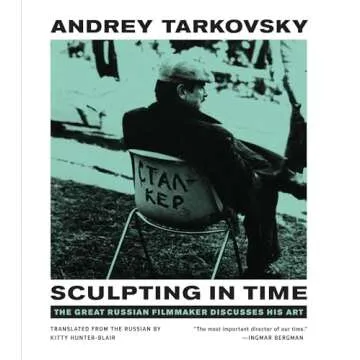
For those interested in delving deeper into Tarkovsky's work, consider reading "Sculpting in Time", which provides insight into his filmmaking philosophy. Another excellent resource is "Andrei Tarkovsky: A Biography" for a comprehensive look at his life and contributions to the arts.







 Continue with Google