


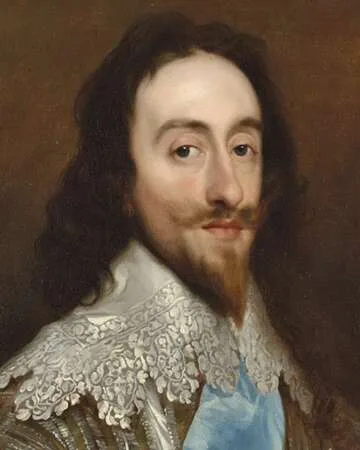
Unraveling the Legacy of Charles I
Birth and Early Life of Charles I
Born on November 19, 1600, in Dunfermline, Fife, Scotland, Charles I was the second son of King James VI of Scotland and Anne of Denmark. His early years were steeped in royal privilege, but after the death of his older brother Henry, Charles became the heir apparent to the Scottish throne. This transition would lead to significant developments in his life, ultimately impacting the governance of England, Scotland, and Ireland.
Charles I's Ascension to the Throne
Charles I ascended to the throne of England, Scotland, and Ireland in 1625 after his father, James I, died. His reign began with aspirations to strengthen the monarchy but was clouded by financial problems and conflicts with Parliament. Charles believed in the divine right of kings, which positioned him in opposition to the rising tide of Parliament's influence, leading to a deeply fractured relationship.
The Turbulent Reign of Charles I
Charles I's Governance and Conflicts
During his reign, Charles I engaged in numerous conflicts, most notably the English Civil War, which began in 1642. His insistence on ruling without Parliament alienated many, stripping him of essential resources and allies. He attempted to impose Anglicanism in Scotland, igniting the Bishops' Wars that only deepened the rifts within his kingdoms. The civil strife that ensued saw England divided and ultimately turned against him.
The Trial and Execution of Charles I
Following his defeat in the war, Charles was captured. In January 1649, he was put on trial for treason. His defense, which emphasized the legitimacy of kingship, failed to sway the judges. Charles I was executed on January 30, 1649, in front of the Banqueting House at Whitehall, making him one of the few monarchs in history to be tried and executed by his own subjects.
Fun Fact
An Interesting Fact about Charles I
Charles I was an avid art collector and his collections significantly impacted British art. He owned works by prominent artists such as Van Dyck and Rubens, which have left a lasting legacy in the world of arts and culture.
Additional Resources
Recommended Reading on Charles I
For those interested in delving deeper into the life of Charles I, consider reading "Charles I: An Abbreviated Life" by Mark Kishlansky and "The Trial of Charles I" by Christopher Hill to understand more about his complex life and legacy.










 Continue with Google