


The End of the Lodz Ghetto
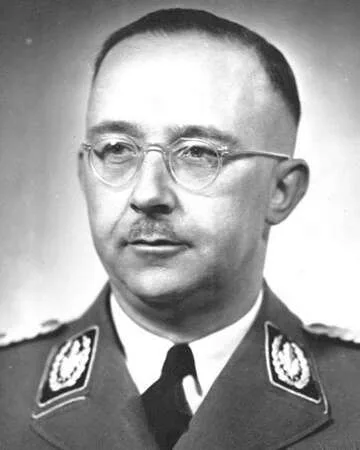
The Lodz Ghetto, established in 1940 in occupied Poland, was one of the largest ghettos during the Holocaust. On August 28, 1944, the ghetto was officially liquidated, marking a devastating chapter in the history of Jewish persecution under the Nazi regime. The order for the final liquidation was issued by Heinrich Himmler, reflecting the intensifying efforts of the Nazis to annihilate the Jewish population across Europe.
The Context of the Lodz Ghetto
Initially, the Lodz Ghetto was intended to isolate the Jewish population from the rest of society, where they faced horrific conditions, forced labor, and severe restrictions on their daily lives. Over the years, approximately 200,000 Jews were confined within its walls. The ghetto served as a crucial manufacturing center, producing goods primarily for the German war effort, all while its inhabitants suffered.
Heinrich Himmler's Role
As one of the key figures in the Nazi party, Heinrich Himmler played a pivotal role in orchestrating the genocide of Jews during the Holocaust. His orders led to the transformation of the Lodz Ghetto into a site of mass deportations to extermination camps, as the final liquidation aimed to erase any trace of Jewish existence in the area.
The Impact of the Liquidation
The liquidation of the Lodz Ghetto had catastrophic implications for its residents. By the end of the operation, incredibly few individuals survived. The economy that had once relied on the labor of the imprisoned Jewish community collapsed, leading to a complete devastation of both lives and livelihoods.
Direct Consequences for the Jewish Community
The direct outcome of the liquidation saw thousands of Jews forcibly transported to Auschwitz, where many were murdered upon arrival. The brutality of this process highlighted the extreme cruelty of the Nazi regime and the extent of their systematic approach to extermination.
Long-term Historical Significance
The liquidation of the Lodz Ghetto is a critical moment in Holocaust studies, serving as a grim reminder of human rights abuses. It underscores the necessity to remember and educate future generations about the horrors faced by the Jewish people during the Holocaust in an effort to prevent such atrocities from occurring again.
Fun Fact
The Forgotten Voices of Lodz
Despite the horrors, some survivors have shared harrowing accounts of their experiences in the Lodz Ghetto. Their stories emphasize resilience and the strength of the human spirit in the face of unimaginable suffering.
Additional Resources
Recommended Reading on the Lodz Ghetto
For those looking to delve deeper into this poignant topic, consider reading "The Ghetto: Lodz 1940-1944" by Janusz Bardach and "Lodz Ghetto: Inside a Community Under Siege" by Wendy Lower. Both books provide thorough insights into the complexities of ghetto life and the broader impact of the Holocaust.








 Continue with Google