


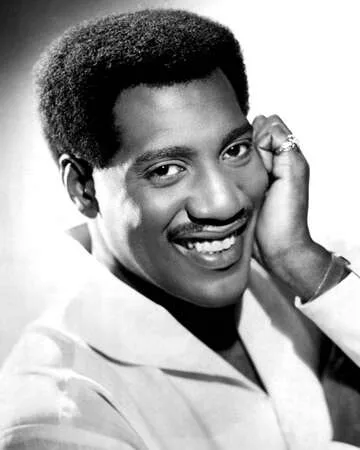
The Birth of a Classic: '(Sittin' On) The Dock of the Bay'
Otis Redding's Journey to the Studio
In 1967, the soulful sound of Otis Redding reached new heights as he recorded one of his most enduring hits, '(Sittin' On) The Dock of the Bay'. This song not only showcased Redding's incredible vocal talent but also reflected the essence of a generation. Otis Redding, born in Macon, Georgia, came to be known as one of the pioneers of Southern soul music. His style combined elements of gospel, rhythm, and blues, creating a unique sound that resonated with many.
Collaboration with Steve Cropper
The creation of '(Sittin' On) The Dock of the Bay' was significantly aided by the collaboration between Otis Redding and iconic guitarist Steve Cropper. Cropper, known for his skilled guitar work and songwriting prowess, co-wrote the song along with Redding. The duo penned this classic at Stax Studios in Memphis, Tennessee, where the raw energy of the city infused the recording process.
The Recording Session at Stax Studios
A Unique Recording Experience
Recorded at the historic Stax Studios, '(Sittin' On) The Dock of the Bay' was shaped by the studio's vibrant atmosphere and the high caliber of artists that had walked its halls. The song's smooth, laid-back melody contrasts with the passion of Redding’s vocal delivery, creating a feeling of melancholy yet optimism that captures the struggles of everyday life. The use of seagull sounds and the whistle at the end of the track added a new dimension, illustrating the song’s themes of reflection and longing.
The Legacy of Otis Redding
While Redding tragically passed away just a few months after recording this poignant track, '(Sittin' On) The Dock of the Bay' quickly became a massive hit, reaching number one on the Billboard Hot 100 chart. The song has stood the test of time, serving as a staple in music history and influencing countless artists across various genres. Redding’s passionate delivery and heartfelt lyrics continue to resonate with listeners today.
Fun Fact
The Whistle Ending
Interestingly, the iconic whistling at the end of the song was not originally planned. After finishing the recording, Otis Redding decided to add the whistle in a moment of inspiration, creating one of the most memorable endings in music history.
Additional Resources
Recommended Reading on Otis Redding
For those interested in exploring more about Otis Redding and his impact on music, consider reading "Otis Redding: An Unfinished Life" by Jonathan Gould. This biography delves into Redding's personal life, his musical journey, and the legacy he left behind in the world of music.



![The Great Twenty-Eight [2 LP] - Vinyl Reissue of Classic Hits](https://assets.giftpals.com/assets/uc/Gift/nRufEm0pJNg6/1/thumbnail_default_1.webp?JruQ942BzCxI)

![ABBA Gold - Greatest Hits [2 LP] Collection with Timeless Hits](https://assets.giftpals.com/assets/uc/Gift/eV6bddZYuBj4/1/thumbnail_default_1.webp?hSS2cZEGd3ur)







 Continue with Google