


The Origins of the Massachusetts Circular Letter
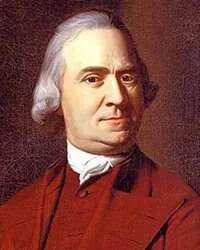
The Massachusetts Circular Letter of 1768 marked a significant moment in the build-up to the American Revolution. This document, spearheaded by Samuel Adams, emerged as a direct response to the controversial Townshend Acts imposed by the British Parliament. The Townshend Acts placed taxes on various goods, including tea, glass, paper, and paint, inciting outrage among the colonists who viewed these taxes as unjust.
Samuel Adams and His Role
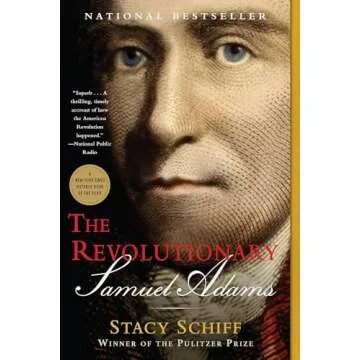
Samuel Adams was not just a key figure in the American Revolution; he was a passionate advocate for colonial rights. Born in Boston in 1722, he recognized the dangers posed by British taxation and sought to galvanize public sentiment against it through the Circular Letter. Adams drafted the letter in February 1768, outlining the grievances of the colonies and calling for collective action against the Townshend Acts. His vision was clear: unite the colonies in their resistance to British oppression.
The Dissemination of the Letter
Once published, the Massachusetts Circular Letter was circulated widely throughout the colonies. It encouraged other colonial legislatures to join Massachusetts in opposing the Townshend Acts. The urgency of the letter's message and the clarity of Adams's arguments resonated with colonists, fostering a sense of solidarity among them. This act of coordination marked a pivotal shift toward organized resistance in the American colonies.
The Impact of the Massachusetts Circular Letter
The spread of the Massachusetts Circular Letter had far-reaching implications. It not only stoked tensions between the colonies and the British government but also served as a catalyst for the growing idea of American unity. In response to the letter, several colonies, including Virginia and New York, echoed Adams’s sentiments and initiated similar protests.
The British Response to the Circular Letter
The British government, alarmed by the swift response to the letter, ordered the Massachusetts Assembly to rescind the Circular Letter. However, this only inflamed tensions further and led to a stronger resolve among the colonists to stand firm against British rule. The insistence on resisting these taxes showcased a growing willingness to confront colonial authorities.
Legacy of Adams’s Vision
Samuel Adams’s initiative through the Massachusetts Circular Letter laid the groundwork for future colonial assemblies and gatherings. The unity that he championed was instrumental in the later formation of the First Continental Congress, which would see the formal organization of colonial resistance. Adams’s foresight in rallying the colonies against British taxes was a decisive moment leading towards independence.
Fun Fact
Samuel Adams’s Interesting Fact
Often referred to as the “Father of the American Revolution,” Samuel Adams not only played a pivotal role in the Massachusetts Circular Letter but was also a founding member of the Sons of Liberty, an organization formed to coordinate resistance against British policies.
Additional Resources
Recommended Reading on Samuel Adams
For those interested in learning more about Samuel Adams and his role in American history, consider reading “Samuel Adams: Father of the American Revolution” by John C. Miller or “The Life of Samuel Adams” by William V. Wells.






 Continue with Google