



The Enigmatic Last Days of Edgar Allan Poe
Edgar Allan Poe's Fateful Day
On October 7, 1849, the renowned American author Edgar Allan Poe was discovered in a state of delirium in a Baltimore gutter. This bewildering sight marked the last moments of his public life, raising countless questions regarding his mysterious condition and subsequent death.
Witness Accounts of Poe's Decline
Witnesses, including the city’s alarmed citizens, reported seeing Poe in a disheveled state, wearing clothes that were not his own. Accounts of his frantic behavior and incoherent speech inspired speculation regarding his health, possibly hinting at substance abuse or mental illness, although no definitive answers could be derived.
Unraveling the Mystery of His Final Hours
Poe's Time in Care
After being found, Poe was taken to the Washington College Hospital, where he was cared for but remained largely unconscious. During this time, the possibility of a more serious ailment like typhoid fever or rabies was entertained, leaving many to wonder what truly ailed the literary icon during those chilling final days.
Uncertain Circumstances Surrounding His Death
On October 8, just a day after his discovery, Poe succumbed to his mysterious affliction, leaving behind a body of work filled with themes of death and despair. His death certificate was notably vague, leading to rampant speculation about whether foul play was involved, or if he had simply fallen victim to his relentless demons.
Fun Fact
Poe's Literary Legacy
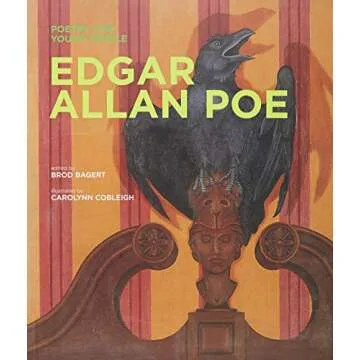
Despite his tragic ending, Edgar Allan Poe's works, including tales such as 'The Tell-Tale Heart' and 'The Raven', have left an indelible mark on American literature, inspiring countless writers and artists.
Additional Resources
Recommended Reading on Edgar Allan Poe
Explore the life and works of Edgar Allan Poe through books such as 'The Complete Works of Edgar Allan Poe' and 'Poe: A Biography' for an in-depth understanding of the complexities surrounding this literary titan.


![Darkness There: Selected Tales by Edgar Allan Poe [Kindle in Motion]](https://assets.giftpals.com/assets/uc/Gift/HasM9FY9OAeY/1/thumbnail_default_1.webp?bJqogGIv7l3S)









 Continue with Google