


The Night and Fog Directive Unveiled
Understanding Hitler's Night and Fog Directive
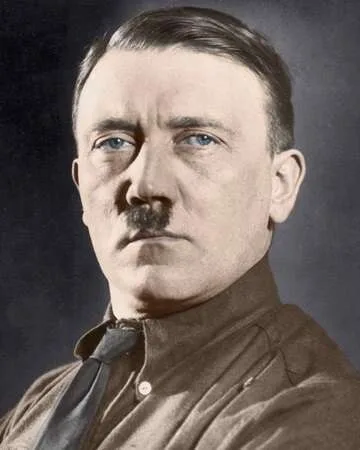
The Night and Fog Directive, issued by Adolf Hitler in December 1941, marked a significant turn in the Nazi regime's approach to dealing with resistance in occupied territories during World War II. The directive was designed to suppress and eliminate potential threats posed by anti-Nazi resistance fighters. Under this brutal policy, captured individuals could be secretly arrested, sent to concentration camps, or even killed without any legal process, instilling fear across occupied Europe.
Implications of the Night and Fog Directive
The issuance of the Night and Fog Directive had dire implications for countless individuals. The directive was intended to create an atmosphere of fear among the populations in occupied nations, making them wary of rebellion against Nazi authorities. Those perceived as threats could vanish overnight, leading to widespread panic and compliance with the occupiers' demands.
The Consequences of the Night and Fog Directive
The Impact on Resistance Fighters
The directive resulted in the targeted arrest of thousands of resistance fighters and civilians who opposed the Nazi regime. Many individuals were sent to concentration camps, where they faced harsh treatment, forced labor, and often death. The policy not only decimated organized resistance but also silenced dissent through sheer terror.
Long-Term Ramifications
In addition to crushing resistance movements, the Night and Fog Directive had long-lasting effects on the communities involved. Families were torn apart, with victims disappearing without a trace, creating a legacy of trauma that would resonate for generations. Survivors and historians alike continue to reckon with the brutality of this directive as a grim reminder of totalitarian oppression.
Fun Fact
Night and Fog's Unique Name
The term "Night and Fog" refers to the literal conditions under which many victims were taken: during the cover of darkness to escape detection. This chilling title symbolizes the clandestine nature of the atrocities committed under this directive.
Additional Resources
Recommended Reading on the Night and Fog Directive
For those interested in deepening their understanding of this dark chapter in history, consider reading "The Holocaust: A New History" by Laurence Rees and "Nazi Germany: A New History" by Klaus P. Fischer. These works provide comprehensive insights into the broader context and implications of the Nazi regime's policies.










 Continue with Google