


The Origins of the Nika Revolt
The year 532 marked a significant upheaval in the heart of the Byzantine Empire with the eruption of the Nika Revolt. This popular revolt was primarily sparked by two major factions, known as the Blues and the Greens, who were fierce supporters of chariot racing teams in Constantinople. Initially, the conflict began when two members of these factions faced execution for a crime that seemed too harsh for their offenses, leading to widespread anger among their supporters.
The Chariot Racing Rivalry
Chariot racing was not merely a sport in ancient Constantinople; it was a spectacle that attracted thousands of spectators and was intertwined with political allegiances. The Greens and Blues represented not just teams but also the political and social divisions among the populace. Sponsored by wealthy elites, these factions often clashed, igniting public tensions and demonstrating the volatility of Byzantine society. The incident that ignited the revolt came when supporters of the two factions rallied against the Emperor's decision to punish the accused members they believed were wrongfully executed.
The Spark of Rebellion
The execution order incited immediate riots as supporters from both factions united against the Emperor Justinian I, demanding justice. Fueled by a potent mix of outrage and a desire for social change, the chants of "Nika!" (meaning "Victory!" in Greek) echoed through the streets of Constantinople, signaling a people ready to fight for their rights and the fate of their leaders.
The turn of events during the Nika Revolt
What began as a sporting dispute soon escalated into a full-scale revolt against the imperial authority. The anger of the public was palpable, and the initial scenes of chaos rapidly transformed into violent confrontations with governmental forces. In a moment of unexpected unity, rival faction supporters briefly came together against a common enemy, sparking a fervent desire for revolt.
The Siege of Constantinople
The rebellious factions captured parts of the city, setting fire to buildings, including the Great Church, and demonstrating their dissatisfaction with Justinian's rule. As the emperor struggled to manage this escalating crisis, it became clear that if control was not regained swiftly, the entire empire might be jeopardized.
Justinian's Strategic Response
In response to this growing chaos, Justinian summoned his most trusted general, Belisarius, to restore order. With astute military strategies, Belisarius managed to quell the revolts, leading to a violent confrontation in the Hippodrome, where thousands of rebelling citizens were slaughtered. This ruthless crackdown effectively ended the revolt, reinstating imperial authority but revealing the deep fractures within society.
Fun Fact
The Nika Revolt's Long-lasting Impact
One of the interesting outcomes of the Nika Revolt was the heavily affected civic architecture in Istanbul. After the revolt, Justinian undertook vast reconstruction projects, including the magnificent Hagia Sophia, which stands as a symbol of Byzantine achievement and resilience.
Additional Resources
Recommended Reading on the Nika Revolt
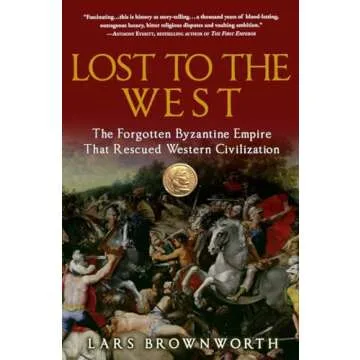
If you wish to delve deeper into the extraordinary events surrounding the Nika Revolt, consider reading The Secret History by Procopius, which provides first-hand accounts of the political dynamics at play during this tumultuous period. Additionally, Byzantium: The Surprising Life of a Medieval Empire by Judith Herrin offers readers a comprehensive view of Byzantine society and its cultural heritage.









 Continue with Google