


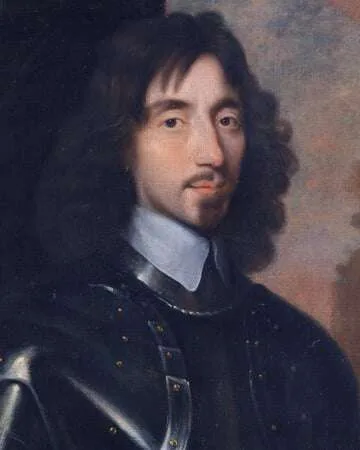
The New Model Army and Its Formation
The New Model Army was a pivotal military force in the English Civil War, established in 1645 under the leadership of key figures such as Thomas Fairfax and Oliver Cromwell. This army was characterized by its disciplined structure and efficient command, which differed markedly from the older, less organized forces. Its creation marked a turning point in the conflict, as Parliament sought a more effective military to confront the Royalist forces. By late 1646, the New Model Army had gained significant victories, leading to the key moment of the occupation of Oxford.
Thomas Fairfax: The Leader of the New Model Army
Thomas Fairfax, born in 1612 in Yorkshire, was a crucial figure in the English Civil War. A commander known for his military talent and measured approach, Fairfax led the New Model Army to many victories. His ability to command and inspire his troops was paramount during the siege and subsequent occupation of Oxford, the Royalist stronghold, showcasing his strategic brilliance.
The Significance of the New Model Army's Formation
The New Model Army's establishment was critical for the Parliamentarians, as it allowed them to unite various factions and focus their military efforts. This unity resulted in a more formidable fighting force capable of challenging King Charles I's troops, culminating in the siege of Oxford and the eventual occupation in 1646.
The Siege and Occupation of Oxford
The occupation of Oxford in 1646 was a decisive moment in the English Civil War. Following a protracted siege, the New Model Army successfully entered the city, marking the effective conclusion of major military operations against Royalist forces. For the Parliamentarians, capturing Oxford symbolized their dominance and the unraveling of royalist power.
Strategy Behind the Siege of Oxford
The siege strategy employed by Fairfax was methodical and strategic, involving cutting off supplies and increasing pressure on the Royalists inside the city. The siege highlighted the tactical superiority of the New Model Army, laying the groundwork for their control over Royalist influences in England.
Context of Oxford's Importance
Oxford, being the royalist capital, held significant symbolic and strategic value. Its occupation not only disrupted royalist logistics but also sent a strong message of Parliament's authority and military capabilities, ultimately leading to the negotiations that would follow the end of the Civil War.
Fun Fact
Did You Know About Fairfax’s Reluctance at Times?
Despite his military success, Thomas Fairfax was known for moments of hesitation, particularly when it involved decisions that could lead to further bloodshed. His deep sense of duty and responsibility often put him at odds with other leaders who favored more aggressive tactics.
Additional Resources
Recommended Reading on Thomas Fairfax
For those interested in learning more about this fascinating military leader, consider reading The Life of Thomas Fairfax by G. E. Aylmer and Oliver Cromwell and the English Civil War by David C. Parker. These works provide in-depth analysis and insights into the life and times of Fairfax and the New Model Army.









 Continue with Google