


The Birth of a Beloved Christmas Carol
"Silent Night, Holy Night" and its Historical Significance
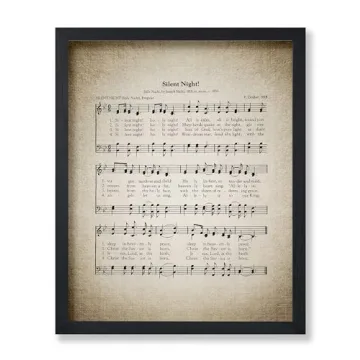
On December 24, 1818, a new tradition was born in Austria when the first known performance of "Silent Night, Holy Night" (originally titled Stille Nacht, Heilige Nacht) took place. This beautiful Christmas carol resonated deeply with audiences and instantly became a cherished song sung by many during the holiday season.
The Creators Behind "Silent Night, Holy Night"
This iconic carol was crafted by Joseph Mohr, a young priest, who wrote the original text, and Franz Xaver Gruber, a schoolteacher and composer, who set the words to music. Their collaboration resulted in a simple yet profound melody that continues to touch hearts around the globe.
How "Silent Night, Holy Night" Spread Across the World
From Austria to Global Popularity
After its debut in the small Austrian town of Oberndorf, "Silent Night, Holy Night" quickly gained popularity. It was translated into numerous languages and was introduced to various countries by missionaries and travelers, spreading the song's serene message of peace and goodwill.
The Influence of the Carol on Modern Celebrations
Today, "Silent Night, Holy Night" is not just a holiday favorite; it represents the spirit of Christmas and is performed in countless renditions worldwide. Various artists and choirs have interpreted this classic over the years, solidifying its place in Christmas culture.
Fun Fact
Did You Know About the Origins of "Silent Night, Holy Night"?
Interestingly, it was originally composed for guitar, making it a unique departure from typical Christmas hymns that relied heavily on traditional church instruments.
Additional Resources
Recommended Reading on "Silent Night, Holy Night"
For those looking to delve deeper into the history of this cherished carol, consider reading The Story Behind Silent Night and Silent Night: The Song and its Legacy. These books explore the carol's origins and its profound impact over the last two centuries.











 Continue with Google