


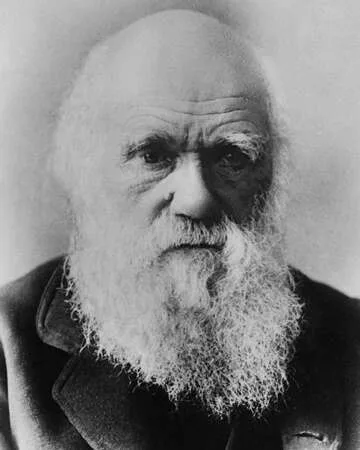
Unpacking the Oxford Debate on Evolution
The Oxford Debate on Evolution, held in June 1860, was a pivotal moment in the history of science and religion, where intellectual discourse and public sentiment collided. This remarkable event took place at the Oxford University Museum, serving as a battleground for the emerging ideas surrounding Charles Darwin's revolutionary theory of evolution by natural selection. The debate featured prominent figures, primarily Thomas Henry Huxley, known as "Darwin's Bulldog" for his vigorous defense of evolution, and Bishop Samuel Wilberforce, a respected religious leader who opposed Darwin's views.
The Participants: Huxley vs. Wilberforce
During this historic debate, Thomas Henry Huxley and Bishop Wilberforce debated the implications of Darwin's work, On the Origin of Species, which proposed that all species of life have descended from common ancestors through a process of natural selection. Huxley passionately argued in favor of evolution, emphasizing its scientific basis, while Wilberforce appealed to religious sentiments, questioning the morality of Darwin’s theory and whether it undermined the divine creation narrative.
The Stakes of the Debate
This debate was not merely an exchange of ideas; it represented a clash between science and religion. For many in the audience, it symbolized a heated battle for the intellectual and moral direction of society. Huxley's defense of Darwin's theory was a bold step into the public eye, promoting the acceptance of scientific inquiry, while Wilberforce’s opposition exemplified the entrenched views of traditional religious doctrines that were being challenged.
The Impact of the 1860 Debate
The aftermath of the Oxford Debate rippled through academia and society, influencing how both science and religion would coexist. Huxley emerged victorious in many circles, leading to greater support for evolutionary theory, while Wilberforce's arguments began to lose credibility among those swayed by scientific reasoning.
The Legacy of Huxley’s Arguments
Huxley’s articulate defense and formidable presence not only cemented his role as a prominent advocate for scientific thought but also laid the groundwork for future discussions around biology and evolution. His contributions helped foster a generation of scientists who would continue the exploration of the natural world without the constraints of dogmatic belief.
Wilberforce’s Enduring Influence
Despite the criticisms he faced, Bishop Wilberforce remained a relevant figure in the discussions on evolution, representing those who sought to reconcile faith with new scientific discoveries. His legacy prompted ongoing debates about the relationship between science and religion, questions that resonate in contemporary discourse.
Fun Fact
An Interesting Tidbit about the Debate
Interestingly, reports suggest that during the debate, Bishop Wilberforce cheekily inquired whether Huxley was related to an ape on his mother's side, emphasizing the emotional and combative nature of the discussion.
Additional Resources
Further Reading on the Oxford Debate
For more insights into this transformative moment, consider reading Darwin's Dangerous Idea by Daniel C. Dennett, which explores Darwinian theory's wider implications and its historical context, as well as The Origin of Species by Charles Darwin to understand his original ideas.








 Continue with Google