


The Context of the Parliament of Worms
The Parliament of Worms, held in 1521, was a significant assembly that addressed the challenges posed by Martin Luther and his burgeoning Reformation movement. In the early 16th century, Luther's criticisms of the Catholic Church, particularly regarding indulgences and papal authority, gained immense popularity across Europe. This momentum prompted the church and political leaders to confront Luther directly since he was rapidly becoming a symbol for reform and resistance against the church’s corruption.
Martin Luther's Challenge to Church Authority
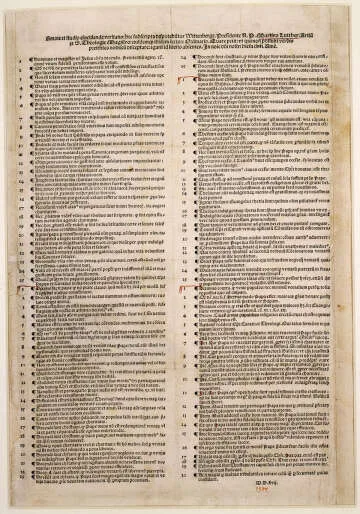
At the center of this event was Martin Luther, a German monk and theologian whose 95 Theses sparked the Reformation in 1517. Luther questioned the financial practices of the church, arguing that faith alone, not deeds, was the path to salvation. This radical viewpoint put into question the very foundations of the Catholic Church's power, leading to significant societal upheaval.
The Call to the Emperor
With Luther's ideas gaining traction, Emperor Charles V called the Parliament of Worms to address the growing unrest. Assembled in the city of Worms, Germany, it attracted princes, bishops, and representatives, all eager to determine how to handle the Reformation's threats to church and state authority.
The Edict Against Martin Luther
During the assembly, after hearing Luther's defense of his views, the Diet issued the Edict of Worms, which condemned Luther’s writings and declared him a heretic. This monumental decision unnerved many who feared the political implications of disobeying the emperor’s decree, emphasizing the rift between traditional authorities and the reformers.
The Impact of the Edict on Luther
Following the publication of the Edict of Worms, Martin Luther was declared an outlaw, and his works were to be burned. However, Luther’s defiance only fueled his popularity. With the support of influential figures, particularly Frederick the Wise, Elector of Saxony, Luther found protection and continued to disseminate his ideas, solidifying his movement.
Long-term Consequences of the Edict of Worms
The Edict of Worms not only failed to silence Luther but also invigorated the Reformation. It set the stage for the emergence of various Protestant denominations, fundamentally altering the landscape of Christianity and reshaping European society for generations. Luther’s ideas continued to spread, leading to a significant cultural shift across Europe.
Fun Fact
Luther’s Bold Stand
Interestingly, during the Parliament of Worms, when asked if he would recant his teachings, Luther famously stated, "Here I stand, I can do no other," showcasing his unwavering commitment to his beliefs, a declaration that has become emblematic of the Reformation.
Additional Resources
Recommended Reading on Martin Luther
To delve deeper into the life and impact of Martin Luther, consider reading Luther: Man Between God and the Devil by Heiko A. Oberman or Here I Stand: A Life of Martin Luther by Roland Bainton. These texts explore Luther’s theological journey and historical context in detail.





 Continue with Google