


The Significance of the Peace of Szatmar
The Peace of Szatmar, signed in 1711, marked a crucial turning point in the history of Hungary under Habsburg rule. It effectively ended the rebellion led by the nobleman Francis II Rákóczi, a significant uprising that sought greater autonomy and rights for the Hungarian people against their Habsburg rulers. By establishing peace, this agreement not only restored stability in Hungary but also redefined the relationship between the Habsburg monarchy and the Hungarian nobility.
Francis II Rákóczi and His Rebellion
Francis II Rákóczi was a prominent figure in Hungarian history, leading a rebellion that aimed to free Hungary from Habsburg domination. His leadership inspired many Hungarians to rally for their rights and the restoration of their sovereignty. The rebellion reflected longstanding tensions and grievances against the oppressive policies of the Habsburgs, showcasing the desire for national identity and independence.
Negotiations and Challenges
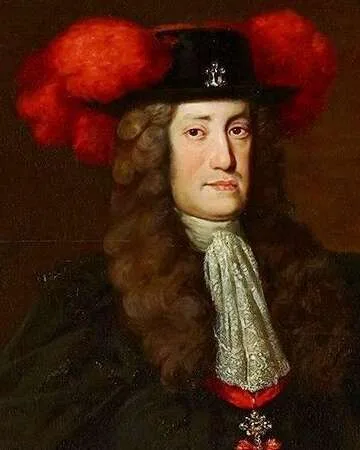
The road to the Peace of Szatmar was fraught with challenges. Both sides had to navigate a landscape of distrust and animosity. The Habsburgs, under Emperor Charles VI, sought to consolidate power, while the Hungarian nobles, including the influential Sándor Károlyi, aimed for greater autonomy. The negotiations highlighted the complexity of the political landscape and the need for compromise to achieve lasting peace.
Terms of the Peace Agreement
The terms of the Peace of Szatmar established important provisions for both the Habsburgs and the Hungarian nobility. In exchange for ending hostilities, the Habsburgs agreed to recognize certain privileges and rights of the Hungarian nobility, thereby ensuring some measure of their autonomy. This was a significant concession from the Habsburgs, indicating a shift in their approach to governance in Hungary.
Impacts on Hungarian Nobility
The resolution paved the way for a more cooperative relationship between the Habsburgs and the Hungarian nobility. By acknowledging the rights of the nobles, the Peace of Szatmar helped to stabilize the region and foster a degree of respect and collaboration that would shape future governance.
Long-Term Consequences
While the Peace of Szatmar ended the immediate conflict, its long-term consequences would resonate throughout Hungarian history. The diplomatic balance struck during these negotiations laid the groundwork for future interactions between the Hungarian nobility and the Habsburgs, influencing the trajectory of Hungary's struggle for independence in the years to come.
Fun Fact
Sándor Károlyi: A Key Negotiator
Sándor Károlyi, a key figure among the Hungarian nobles, played a crucial role in the negotiations that led to the Peace of Szatmar. His influence and leadership were instrumental in advocating for the rights and privileges of the Hungarian people during this tumultuous period.
Additional Resources
Recommended Reading on the Peace of Szatmar
For those interested in exploring the historical depth of the Peace of Szatmar, consider reading The History of Hungary: A Short Overview by Istvan Deak and Rákóczi's War of Independence: The Fight for Hungarian Freedom by Jozsef Juhasz. These works provide valuable insights into the events surrounding the rebellion and its aftermath.










 Continue with Google