


Overview of the Personal Union
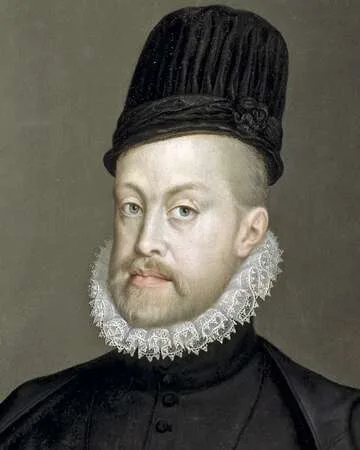
The Personal Union of Portugal and Spain began in 1581 and was a significant political event triggered by a succession crisis following the death of King Henry of Portugal. The resulting power vacuum led to the Cortes of Tomar, where Portuguese nobles gathered to decide the future of the kingdom. After considerable debate, they ultimately recognized Philip II of Spain as the new king, thus unifying the two Iberian crowns under a single monarch.
The Cortes of Tomar
The Cortes of Tomar played a crucial role in the Personal Union. As representatives of the Portuguese nobility, they faced the pressing decision of whom to crown as king. The absence of a strong candidate from the Portuguese royal line, combined with Philip II's political maneuvering and promises of preserving Portuguese autonomy, swayed the assembly to accept him as their sovereign.
Impact on Portuguese Autonomy
Despite recognizing Philip II as king, many Portuguese felt uneasy about their loss of independence. The concerns regarding Spanish control were justified as Philip II's reign marked a period of attempted governance reforms, which often irritated the local population. The dual monarchy's foundation brought unique challenges that would resurface throughout the 60 years of union.
Consequences of the Union
The union altered the political landscape of the Iberian Peninsula, intertwining the fates of Portugal and Spain significantly. While it was initially presented as a peaceful arrangement, it was marked with underlying tensions and conflicts that manifested over time.
Military Implications
The Personal Union had profound implications for military strategies in Europe, particularly during the conflicts of the late 16th century like the Spanish Armada and the ongoing battles against Dutch independence. The Portuguese Navy was often drawn into Spanish conflicts, which aggravated national sentiments among the Portuguese.
Economic Effects
Economically, the union transferred much of Portugal's wealth to Spain but also aimed to leverage the strengths of both empires for trade and colonial expansion. However, many in Portugal grew discontent with Spanish tax policies that seemed to drain resources from the Portuguese economy.
Fun Fact
Legacy of the Union
Interestingly, the Personal Union ended in 1640 with the Restoration War in Portugal, showcasing the strong desire for independence that lingered in Portuguese society. This event not only shaped Portuguese identity but also influenced Spain's standing in European politics.
Additional Resources
Recommended Reading on the Personal Union of Portugal and Spain
For a deeper exploration of this historical event, consider reading The History of Portugal by J. M. D. P. Thomas or Spain and Portugal: A History by Francisco Echevarría. These texts provide insights into the union's complexities and its lasting effects on both nations.



 Continue with Google