


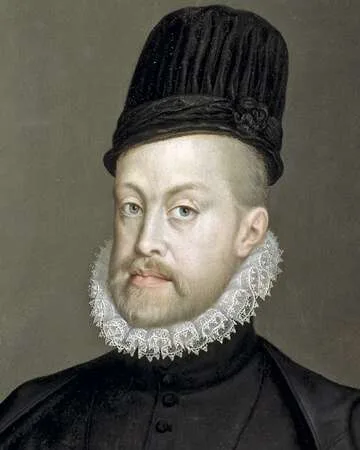
The 1581 Portuguese Cortes: A Historic Legitimization of Philip II
In a monumental event in June 1581, the Portuguese Cortes, a key assembly of nobility and representatives in Portugal, officially recognized Philip II of Spain as the King of Portugal. This declaration was a significant turning point during a turbulent period in Iberian history, as it set the foundation for the subsequent Spanish rule over Portugal. The historical background leading to this moment revolved around the death of King Henry of Portugal in 1580, which left a power vacuum and sparked a succession crisis.
The Context of the 1581 Cortes
The Portuguese Cortes convened in Tomar amidst considerable internal strife. Following the passing of King Henry, multiple claimants emerged for the throne, including the powerful nobleman, Antonio, Prior of Crato. However, Philip II, who was Henry's closest relative through a maternal line, acted swiftly, sending an army to Portugal, ultimately leading to a confrontation that underscored the necessity of legitimizing his claim amid warfare and political tensions.
Legitimation of Philip II's Rule
The endorsement by the Cortes was pivotal; it not only served to solidify Philip II's authority but also marked the beginning of the Iberian Union. Although Philip II was already King of Spain, this formal acknowledgment by Portugal's foremost assembly helped create a semblance of unity between the two kingdoms. This union would last for 60 years, although it was met with resistance and resentment from many Portuguese who viewed Philip as a foreign ruler.
Consequences of the Cortes' Decision
The decision of the Portuguese Cortes to officially name Philip II as King had profound consequences for the region. It established a period of dynastic union that impacted trade, governance, and military endeavors across both Iberian nations, as well as their overseas colonies.
Impact on Portuguese Governance
With Philip II's ascendance, Portugal saw significant changes in governance, especially in the administration of colonial wealth. The centralization of power under the Spanish crown affected how resources were managed across their vast empire, shifting focus towards the interests of the Spanish crown rather than solely those of Portugal.
Resistance and the Fight for Independence
Despite the official endorsement, Philip II's rule was met with considerable backlash. Many Portuguese viewed his reign as a threat to their national identity, which laid the groundwork for a challenging struggle that peaked in the early 1640s, ultimately leading to the restoration of independence from Spanish rule in 1640.
Fun Fact
The Unique Title of Philip II
Philip II was notably the first monarch to hold the title of King of Portugal while also being King of Spain, marking a rare instance in European history where two important kingdoms were united under a single crown, influencing the geopolitical landscape significantly.
Additional Resources
Recommended Reading on Philip II and Portugal
For those interested in exploring this fascinating period further, consider reading "The Unification of Spain and Portugal" by John G. Rodriguez or "Philip II: King of Spain" by Geoffrey Parker, which provide deeper insights into his reign and the historical context of his rule over Portugal.






 Continue with Google