


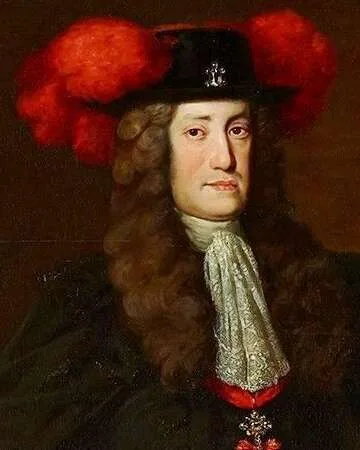
The Pragmatic Sanction: A Turning Point in Habsburg History
On April 19, 1713, Holy Roman Emperor Charles VI issued the Pragmatic Sanction, a monumental decree that sought to secure the future of the Habsburg dynasty. This historical act was mainly significant as it allowed for the inheritance of Habsburg territories by a daughter, thus changing the landscape of European monarchies heavily dominated by male succession. The Pragmatic Sanction was not merely an act of governance; it represented the heart of a father's ambition for his daughter, the future Empress Maria Theresa, and the stability of the Habsburg lands.
Charles VI and His Vision
Emperor Charles VI ascended to the throne with the looming uncertainty of succession due to the absence of male heirs. Knowing that his own sons had died early, he determined that a female successor would be his only option to maintain the Habsburg legacy. As a result, Charles sought to enact the Pragmatic Sanction, aiming to legitimize the succession rights of his daughter. His vision was to ensure that the vast Habsburg territories, which included parts of modern-day Austria, Hungary, and Bohemia, would remain intact and be passed down through his bloodline.
The Implications of the Pragmatic Sanction
The implications of the Pragmatic Sanction were profound. By allowing a female heir to inherit, Charles VI broke with a longstanding tradition that favored male heirs. This move raised the stakes in European politics, igniting tensions with other powers who were concerned about the shift in balance that could follow Maria Theresa’s ascendancy. Notably, this change in succession went against the customary practices that many European monarchies adhered to at the time.
Challenges Following the Pragmatic Sanction
Despite the issuance of the Pragmatic Sanction, Charles VI faced numerous challenges in solidifying Maria Theresa's position. Various European powers, including Prussia and France, were cautious of the new dynastic arrangements, leading to conflicts that would change the face of Europe.
Opposition to Maria Theresa’s Rule
Upon her ascension to the throne after her father’s death in 1740, Maria Theresa encountered immediate opposition from various European leaders skeptical of her right to rule. This skepticism manifested in the War of the Austrian Succession, which erupted soon after her father’s death. The war underscored the fragile nature of her claim and the complicated political landscape shaped by the Pragmatic Sanction.
The Long-Term Effects of the Pragmatic Sanction
Ultimately, the Pragmatic Sanction set a precedent for the Habsburg dynasty. Although Maria Theresa faced significant challenges, her reign helped to consolidate Habsburg power and influenced modern succession laws in Europe. As monarchs adapted to changing political landscapes, the innovative decision made by Charles VI in 1713 ensured that the Habsburg dynasty would continue to play a crucial role in European affairs.
Fun Fact: Maria Theresa's Legacy
Maria Theresa: A Pioneering Empress
Despite the difficulties she faced, Maria Theresa is remembered for her significant reforms in education, administration, and military organization, which laid the groundwork for modern state governance in Austria.
Additional Resources
Recommended Reading on the Pragmatic Sanction
For those interested in deepening their understanding of the Pragmatic Sanction and its historical context, consider reading "The Habsburgs: An Illustrated History" by Andrew Wheatcroft and "Maria Theresa: The Habsburg Empress in Her Time" by Barbara Stollberg-Rilinger.










 Continue with Google