


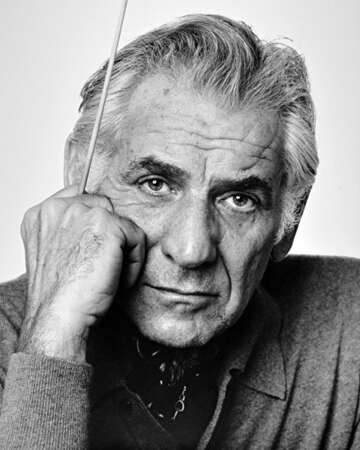
The Significance of Bernstein's Kaddish Symphony
Leonard Bernstein’s Vision in Kaddish
The year 1963 marked a pivotal moment in classical music history with the world premiere of Leonard Bernstein’s Third Symphony, known as Kaddish, performed by the Israel Philharmonic Orchestra in Tel Aviv. This composition not only showcases Bernstein's innovative approach to orchestration but also serves as a poignant reflection on faith, loss, and hope. The symphony takes its name from the Jewish prayer for the dead, paralleling Bernstein’s exploration of memory and spirituality.
The Cultural Context of Kaddish
Bernstein composed Kaddish against the backdrop of the sociopolitical landscape of the early 1960s, marked by post-Holocaust reflections. Premiering in Israel, this piece resonated deeply with audiences, as it echoed the collective mourning and resilience of the Jewish people. Bernstein's deeply personal interpretation of the Kaddish prayer infused the work with emotional depth, bridging the gap between classical and contemporary themes.
Structure and Theme of Bernstein's Kaddish
Musical Elements in Kaddish
Bernstein’s Kaddish Symphony is notable for its integration of various musical styles, including classical elements fused with jazz and Broadway influences. The symphony is divided into several movements, highlighted by the poignant soprano solo, which narrates the emotional turmoil and the quest for understanding amid grief. Each movement transitions smoothly, employing a dynamic range of orchestral textures that reflect the complexity of the themes addressed.
The Soprano's Role in Kaddish
A distinctive feature of Kaddish is the role of the soprano, who symbolizes the voice of questioning and introspection. Through the solo, Bernstein emphasizes the struggle between doubt and faith, making the listener confront the existence of God in the face of suffering. This layer of vocal expression adds a powerful dimension to the orchestral framework, engaging audiences on a deeply personal level.
Fun Fact
Bernstein's Personal Connection to Kaddish
Leonard Bernstein was deeply influenced by his Jewish identity, which is vividly reflected in Kaddish. The symphony can be seen as a spiritual testament, expressing his own grappling with faith and community throughout his life. It remains one of his most passionate and intimate works.
Additional Resources
Recommended Reading on Leonard Bernstein
For those looking to dive deeper into Bernstein's world, consider exploring Leonard Bernstein: The Political Life of an American Musician or Bernstein: A Biography to gain further insights into his influence on music and culture.













 Continue with Google