


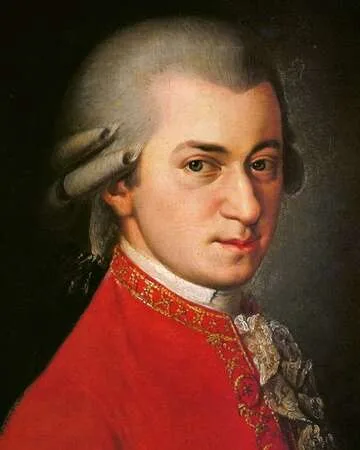
The Beginning of a Legend: Don Giovanni's Premiere
The Significance of Don Giovanni
Don Giovanni, composed by the legendary Wolfgang Amadeus Mozart and featuring a libretto by Lorenzo Da Ponte, made its stunning premiere on October 29, 1787, at the National Theater of Bohemia in Prague. This opera quickly established itself as a **pinnacle of operatic literature**, blending elements of **drama, comedy, and supernatural themes** with exquisite musical composition.
Context of Mozart's Career
By 1787, Mozart was already renowned for his operatic contributions, having achieved success with works like The Marriage of Figaro. Don Giovanni showcased his growth as a composer, combining sophisticated orchestration and complex character development that pushed the boundaries of the genre.
The Double Life of Don Giovanni
The Character of Don Giovanni
Don Giovanni, often interpreted as a **womanizer and libertine**, is a character based on the legendary figure of Don Juan. His quest for seduction leads him to confront various individuals, challenging societal norms and moral codes, ultimately resulting in his dramatic downfall.
Emotional Depth and Musical Innovation
The **music of Don Giovanni** conveys a vast range of emotions, with each aria and duet adding depth to the characters. The famous **“Là ci darem la mano”** and the haunting **“Champagne Aria”** highlight Mozart’s ability to blend **lyricism with character development**, making the opera both engaging and thought-provoking.
Fun Fact
Don Giovanni’s Interesting Fact
Interestingly, during its premiere in Prague, **Don Giovanni** was met with enthusiastic reception, indicating the opera's immediate resonance with the public. It quickly became a staple of the opera repertoire and remains one of the most performed operas to this day.
Additional Resources
Recommended Reading on Don Giovanni
For those interested in learning more about this remarkable opera, consider reading "Mozart's Don Giovanni: A Critical Guide" or "The Operas of Mozart". These texts offer deeper insights into the opera’s themes, music, and historical significance, enriching your understanding of one of Mozart's greatest works.
![Amadeus (Director's Cut) [Blu-ray Book]](https://assets.giftpals.com/assets/uc/Gift/ZWLwCyWHYGTH/1/thumbnail_default_1.webp?K93H7JeN6FTR)



 Continue with Google