


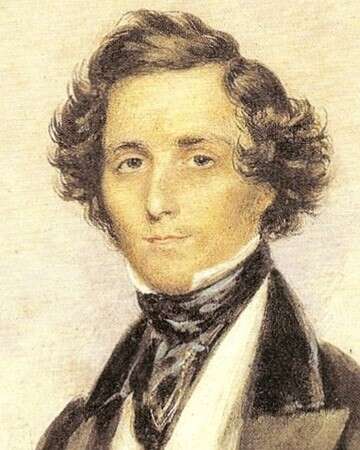
The Historic Premiere in Berlin
On May 2, 1833, the city of Berlin witnessed a monumental cultural event with the first performance of Felix Mendelssohn's cantata, Die erste Walpurgisnacht. This significant work was inspired by Goethe's poem, offering a unique blend of music and literature that captured the fascination of audiences. Mendelssohn, a prominent composer of the Romantic era, used this piece to explore themes of nature, superstition, and the intersection of the sacred and the profane.
Mendelssohn's Vision
Felix Mendelssohn, born in Hamburg in 1809, was not only a composer but also a conductor and music scholar. His deep understanding of music theory and history shaped his innovative style. In Die erste Walpurgisnacht, Mendelssohn brilliantly intertwined orchestral and vocal elements, using a rich tapestry of harmonic language to create a compelling narrative.
The Storyline of Die erste Walpurgisnacht
The cantata's storyline unfolds during the night of Walpurgis, when witches supposedly gather for their revelries. Mendelssohn paints a vivid picture of the dramatic setting, juxtaposing the fears of the common folk with the enchanted world of the supernatural. This contrast reflects the Romantic fascination with folklore and myth.
The Impact of the Cantata
Mendelssohn's Die erste Walpurgisnacht has had a lasting impact on the world of classical music. Its premiere added a new dimension to the choral repertoire and showcased Mendelssohn's ability to merge poetic texts with profound musical ideas.
Reception and Legacy
Upon its debut, the cantata received mixed reviews, but it has since been recognized as a pivotal work in the choral canon. Mendelssohn's unique approach to storytelling through music allowed audiences to experience the narrative on a deeper level, leading to its revival in modern performances.
Performances Today
Today, Die erste Walpurgisnacht is frequently performed in concert halls around the world. Its enchanting melodies and rich orchestration continue to captivate audiences, reminding us of Mendelssohn's musical genius and the enduring power of storytelling through music.
Fun Fact
A Surprising Connection to Folk Traditions
Interestingly, Mendelssohn was inspired by folk traditions and myths not just in his compositions but in his own life. His musical education emphasized the importance of German folklore, reflecting the Romantic ideal of valuing the common people's stories.
Additional Resources
Recommended Reading on Mendelssohn
For those interested in delving deeper, consider reading Mendelssohn: A Life in Music by Ralph W. V. Aeckersberg, which provides an insightful look into the life and works of this extraordinary composer. Additionally, The Music of Mendelssohn by Timothy Roden offers an analysis of his compositions, including the cantata.







 Continue with Google