


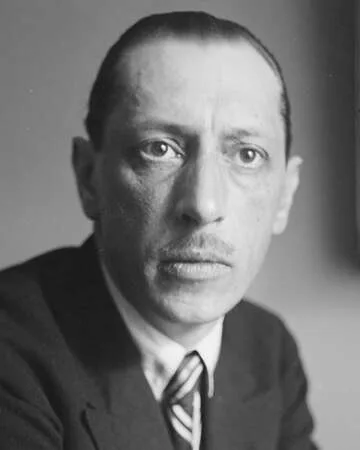
Revisiting the Premiere of 'The Rake's Progress'
On 11 September 1951, a significant moment in music history unfolded at the Teatro La Fenice in Venice, Italy, with the premiere of Igor Stravinsky's opera, The Rake's Progress. This opera is notable for its rich musical score and its engaging narrative, based on the paintings of William Hogarth. Stravinsky, collaborating with renowned poets W. H. Auden and Chester Kallman, created a work that intertwines themes of morality, temptation, and the human condition, depicted through the protagonist, Tom Rakewell.
Understanding 'The Rake's Progress' Story
The opera tells the story of Tom Rakewell, a young man who inherits a fortune and chooses a life of indulgence and pleasure over responsibility. Guided by the scheming figure of Nick Shadow, Tom’s journey encapsulates the lure of a hedonistic lifestyle and the inevitable downfall that follows. The opera is structured in three acts, allowing audiences to witness Tom's rise to decadence and his tragic demise.
The Artistic Collaboration in Creating the Opera
Stravinsky's music, complemented by the witty libretto of Auden and Kallman, offers a unique combination of classical and contemporary styles. The collaboration reflects the cultural climate of post-war Europe, where traditional values were being challenged by modernist ideas. The rich textures of the music echo the contrasting personalities of the characters, capturing their struggles and desires.
The Impact of 'The Rake's Progress'
The premiere of 'The Rake's Progress' marked a revival of interest in opera during the mid-20th century, showcasing how classical music could engage new audiences. This opera was Stravinsky's first full-length opera since 'The Soldiers' Tale', and it demonstrated his evolving style while still retaining ties to the operatic tradition.
The Lasting Legacy of Stravinsky's Work
Since its premiere, The Rake's Progress has been celebrated for its innovative storytelling and musical composition. It remains a staple in the operatic repertoire and has been performed around the world, continually captivating audiences with its message about the consequences of one's choices.
Reviews and Reception of the Premiere
The initial reception of the opera at Teatro La Fenice was enthusiastic, praised for its musical prowess and depth. Critics noted Stravinsky's skillful blending of musical styles and the provocative text that encouraged reflection on human nature. This positive response helped establish 'The Rake's Progress' as a significant work in operatic history.
Fun Fact
The Unusual Source of Inspiration for the Opera
Interestingly, the original inspiration for 'The Rake's Progress' came from William Hogarth's sequence of paintings depicting a young man's moral decay. This connection highlights the enduring themes of art and morality, weaving a visual narrative that informs Stravinsky's musical interpretation.
Additional Resources
Recommended Reading on 'The Rake's Progress'
For those interested in exploring this opera further, consider these engaging reads: The Rake's Progress: A Study by Richard Taruskin and The Lives of Stravinsky by Stephen Walsh. These books provide deep insights into Stravinsky's work and the context in which it was created.








 Continue with Google