


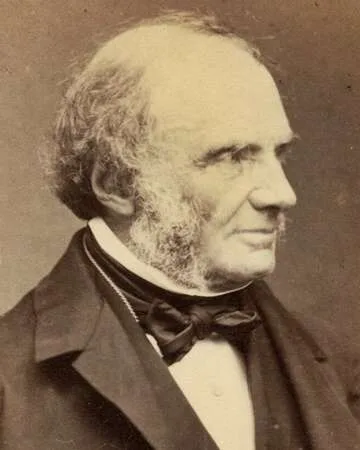
The Reform Bill of 1831: A Bold Step Towards Electoral Reform
The Reform Act of 1831 marked a crucial moment in the evolution of the British electoral system. Introduced by Lord John Russell in the House of Commons, this bill aimed to address the significant disparities within the electoral franchise of England and Wales. The act sought to broaden the electorate by expanding voting rights, thus fostering a more representative democracy.
Prior to this bill, the electoral system was heavily criticized for being outdated and inequitable, with many wealthy industrial towns without adequate representation. Lord John Russell's introduction of the Reform Bill signified political evolution, responding to the increasing pressures for reform from the growing middle class and industrial sectors.This act would ultimately pave the way for future reforms.
The Role of Lord John Russell in the Reform Act
As a prominent British politician, Lord John Russell played a pivotal role in advocating for the Reform Act of 1831. His determination and commitment to modernizing the electoral system showcased his understanding of the social changes taking place in Britain at the time. Russell understood that the industrial revolution had transformed British society, and the political representation needed to reflect those changes.
Challenges Faced in Passing the Reform Bill
Despite being a well-structured proposal to address electoral deficiencies, the Reform Bill of 1831 faced staunch opposition from conservatives who were uncomfortable with altering the status quo. The challenges included political unrest and vigorous debates in Parliament, leading to a turbulent political climate. These obstacles highlighted the resistance to change that was characteristic of the era, reflecting the class struggles that defined early 19th-century British politics.
The Impact of the Reform Act on British Society
The Reform Act of 1831 ultimately laid the groundwork for future electoral reforms and sparked ongoing discussions about democratic rights in Britain. Its introduction signified a shift in the political landscape, as it aimed to create a more inclusive voting system.
Long-term Effects on Electoral Reforms
This act was a stepping stone that eventually led to the Reform Act of 1832, further expanding the electorate and addressing previous criticisms of inadequate representation. The gradual opening up of the electoral process reflected a growing awareness of the need for inclusive political participation, resonating through successive reforms in the late 19th and early 20th centuries.
The Evolving Nature of the Franchise
The discussions surrounding the Reform Act of 1831 laid the foundation for evolving perceptions of the electorate. While initially modest, the subsequent changes to voting rights underscored a commitment to expanding democracy and ensuring that more voices could be heard within the political arena.
Fun Fact: The Reform Act's Legacy
Russell's Vision for Modern Democracy
Interestingly, although the Reform Act of 1831 was not passed in its original form, it set off a chain reaction that energized political engagement. Lord John Russell's efforts are often credited with inspiring future generations of lawmakers to pursue democratic reforms.
Additional Resources
Recommended Reading on the Reform Act of 1831
For those interested in delving deeper into this pivotal moment in history, consider reading The Reform Act of 1832 by Peter D. G. Mckay or History of the Reform Movement by Andrew Marvell. These works provide more context and analysis regarding the significant impact of the Reform Act.










 Continue with Google