


A Historic Encounter on Cannon Beach
In the year 1806, an event unfolded on the shores of what is now known as Cannon Beach, Oregon, which would forever be etched in the annals of exploration. This event is famously recorded as the time when explorer William Clark of the renowned Lewis and Clark Expedition stumbled upon the massive skeleton of a whale. Measuring an astounding 105 feet, the whale's remains played a significant role in Clark's understanding of the Pacific coastline and the natural wonders that inhabited it.
William Clark's Expedition
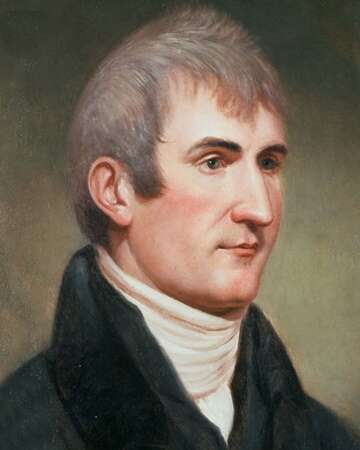
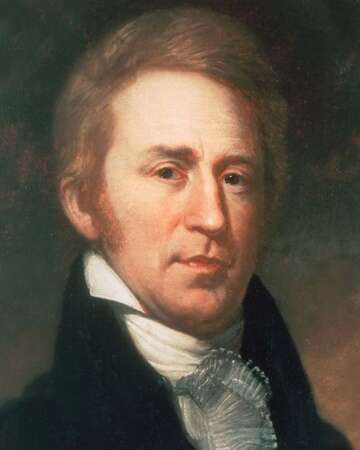
William Clark, born in 1770, was a dedicated soldier and skilled cartographer. Alongside his partner Meriwether Lewis, they embarked on an ambitious journey to explore the newly acquired territories of the United States following the conclusion of the Louisiana Purchase. Their exploration aimed not only to map the land but also to document its flora and fauna. Clark’s discovery of the whale skeleton was serendipitous, highlighting the rich biodiversity of the Pacific Northwest.
The Whale Skeleton's Importance
The whale skeleton that Clark encountered was more than just a curious find; it represented the marine life that thrived in the rich waters along the Oregon coast. Local indigenous tribes, notably the Tillamook Nation, had lived in harmony with the coastal ecosystem for millennia, and this remarkable discovery underscored their deep-rooted relationship with the ocean. Such findings would eventually contribute to the scientific community's understanding of marine biology and environmental science.
Cultural and Historical Significance
Beyond its scientific implications, the encounter held cultural significance for the local tribes, who regarded marine animals with respect. Their knowledge of the ocean's currents and creatures was unparalleled, and Clark’s discovery opened a window into the dialogue between indigenous knowledge and emerging scientific inquiry.
Impact on Exploration and Science
Clark’s observations of the whale skeleton further fueled curiosity about the natural world. Expeditions like his were crucial in paving the way for future scientific endeavors. The documentation of wildlife, including marine life such as whales, was critical during that era, which saw the burgeoning field of natural history.
Contributions to Native American Understanding
This discovery also served as a reminder of the Indigenous peoples’ profound connection to the environment. The Tillamook Nation’s stories and wisdom about the marine ecosystem provided context to Clark’s findings, thus enriching the narrative of early American exploration.
Fun Fact
The History of Whale Beached Discoveries
Interestingly, encounters with beached whales have been recorded throughout history, often viewed with reverence by local communities. Beached whales have provided resources such as oil and meat, showcasing a complex relationship between humans and marine environments.
Additional Resources
Recommended Reading on William Clark
For those interested in exploring more about William Clark and his contributions, consider reading “Undaunted Courage” by Stephen E. Ambrose, which offers insight into the Lewis and Clark Expedition. Additionally, “The Adventures of Lewis and Clark” by John Bakeless provides fascinating anecdotes and stories that bring to life the challenges faced during their expedition.






 Continue with Google