


Overview of the 2020 Protests
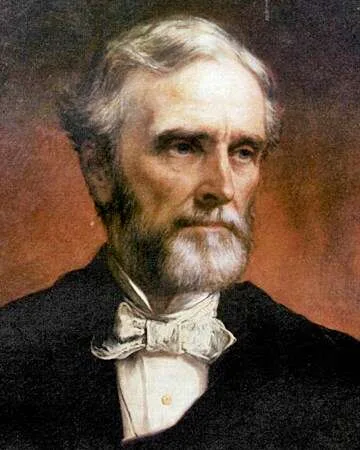
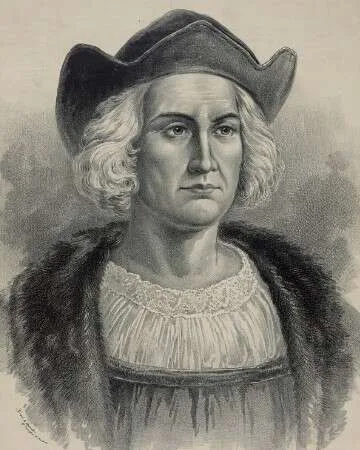
The 2020 protests against the statues of Confederate figures and historical explorers marked a significant moment in the ongoing social justice movement that gained momentum in the wake of George Floyd's death. The #BlackLivesMatter movement brought to light systemic racism and inequality, prompting communities across the United States to reevaluate the symbols they honor publicly. Statues representing figures like Confederate President Jefferson Davis and the Italian explorer Christopher Columbus became targets of protests, seen as emblematic of a painful history.
Jefferson Davis Statue and Its Controversy
The statue of Jefferson Davis in Richmond, Virginia, stood for over a century, symbolizing a legacy that many viewed as honoring a traitor to the Union. Supporters claimed it represented Southern heritage, while activists argued it glorified a period rooted in slavery and division. Following widespread protests, the statue was removed amidst intensifying public outcry for racial justice.
Christopher Columbus: Celebrated or Condemned?
Similarly, the statue of Christopher Columbus in Richmond served as a symbol of exploration, but for many Indigenous and marginalized communities, it represented colonization and oppression. The protests led to its removal, as activists sought to replace symbols of oppression with those that honor diversity and inclusivity.
Impacts and Responses to the Removals
The removal of these statues sparked a national debate about history, memory, and the symbols of our shared past. Communities across the nation began reexamining other monuments and institutions named after figures whose legacies are tied to oppression. For many, this represented an opportunity to redefine cultural values and prioritize inclusivity.
Community Engagement and Dialogue
In the wake of these protests, many cities initiated dialogues about race and history. Community forums allowed a diverse array of voices to discuss the implications of these statues and what they represent in modern society, fostering a deeper understanding of America's complex history.
Future of Monuments and Memorials
The events of 2020 shifted the narrative surrounding historical monuments, advocating for a new approach to memorialization that reflects contemporary values. As cities contemplate the future of their statues, discussions center around how to honor history while addressing inequalities and injustices faced by marginalized groups.
Fun Fact
The Origins of Columbus Day
Interestingly, the establishment of Columbus Day as a federal holiday in the United States was meant to celebrate Italian-American heritage. However, over the years, its significance has shifted towards recognizing the negative impact of colonization on Indigenous peoples.
Additional Resources
Recommended Reading on Historical Monuments
To delve deeper into the topic of historical monuments and their impacts, consider reading “The Problem with History: Monuments and Memory” and “Confederates in the Attic: Dispatches from the Unfinished Civil War”. These works provide insightful perspectives on the complexities of honoring history while acknowledging its darker aspects.









 Continue with Google