


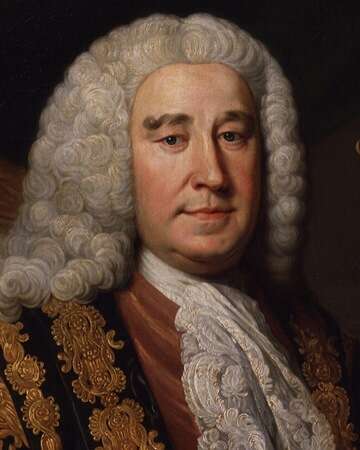

The Pelham Brothers Resignation Incident
In the year 1746, a significant political event occurred in Britain, marking a pivotal point in the administration of the Pelham brothers, who were noteworthy figures in British politics during that era. The brothers, Henry Pelham and Thomas Pelham-Holles, Duke of Newcastle, resigned from their positions within the British government, a decision triggered by escalating tensions related to the Jacobite uprising and the political maneuvering of King George II.
Background of the Pelham Brothers
Henry Pelham (born 1694) and his brother Thomas Pelham-Holles (born 1693), who served as the Prime Minister and Secretary of State respectively, were integral to the Whig party's dominance in British politics during the 1740s. The Pelham brothers were known for their ability to maintain stability in the government amid growing fears of Jacobite threats, particularly following the unsuccessful Jacobite rising of 1745. Their approach was to ease factional disputes within Parliament, creating a government that, while not universally popular, was nonetheless functional.
The Jacobite Uprising's Impact
The political landscape in Britain was tumultuous during this period due to the ongoing Jacobite uprising, which sought to restore the Stuart dynasty to the throne. The Pelham brothers faced immense pressure from both the King and opposing political factions. As the situation intensified, their effective governance was questioned, leading to their unprecedented resignation in early 1746.
King George II's Influence
The resignation was not a final separation from power, as the political tides soon shifted in favor of the Pelhams. King George II's eventual backing of their administration prompted their return to power, demonstrating the King’s reliance on them to navigate the increasingly precarious political landscape.
King George II’s Political Maneuvering
After witnessing the potential fallout of their absence from the government, King George II quickly reassessed his decision, realizing that stable leadership was essential for effectively quelling the Jacobite threat and maintaining order in Britain. His support reinstated the Pelham brothers, reinforcing their political stature.
Consequences of Their Resignation
The events surrounding their resignation and reinstatement underscored the precarious nature of political power during this period. It allowed both the Pelham brothers and King George II to adapt their strategies in governance, emphasizing a collaborative approach that would ultimately solidify their roles in the administration.
Fun Fact
Pelham Brothers: Dual Leadership Style
The Pelham brothers were known for their unique governance style, which involved a partnership approach to leadership, reinforcing the value of cooperation between different branches of the government as they navigated crises such as the Jacobite uprisings.
Additional Resources
Recommended Reading on the Pelham Brothers
For those interested in learning more about the political dynamics of 18th-century Britain and the Pelham brothers, consider reading "The Pelham Brothers: Political Partnership in the Eighteenth Century" by William A. D. Young and "Power and Politics in 18th Century England" by Sarah L. E. Tapp. Both works provide deeper insights into this fascinating period.













 Continue with Google