


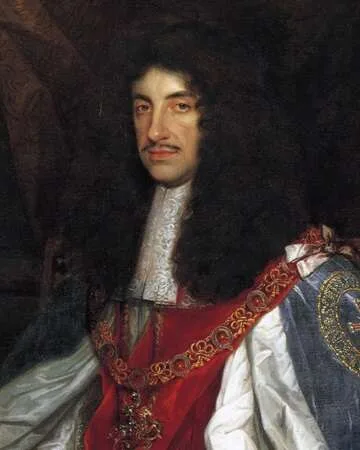
The Triumph of Charles II: A Restoration to the Throne
The year 1660 marked a pivotal moment in English history, as it ushered in the Restoration period following almost a decade of Puritan rule. On his 30th birthday, King Charles II returned to London, claiming the throne after a long exile in the Netherlands. His return was celebrated by many and signaled the end of the Commonwealth established by Oliver Cromwell.
The Journey Back to London
Charles II's journey back to England was not just a personal homecoming; it was a declaration of a new era for the monarchy. After fleeing the country during the English Civil War, Charles had spent years in exile, seeking the support of royalists abroad. With the death of Cromwell in 1658 and subsequent political turmoil, many believed it was time to restore the monarchy. Charles’s return was met with jubilant crowds, eager to welcome their king back to rule.
Crowning Glory: The Ceremony of Restoration
The formal celebration of Charles II’s restoration culminated in an elaborate ceremony filled with pageantry and traditional rites. On May 29, 1660, amidst cheers from supporters, he arrived at London, where he was greeted by Parliament and received the crown in a procession that symbolized the people's longing for stability and his rightful place in the throne.
Impact of the Restoration on England
The restoration of Charles II was not merely a return to monarchy; it marked the beginning of significant societal change. The King’s reign is often associated with the revival of drama, arts, and a renewed spirit of exploration. His court became known for its liberal attitudes and support of cultural achievements.
Charles II and the Arts
One of the most notable impacts of Charles II’s reign was on the arts and culture. Nicknamed the “Merry Monarch,” his love for theatre and the arts led to the reopening of theatres that had been closed during the Puritan regime. This cultural renaissance encouraged the emergence of playwrights like John Dryden and William Wycherley, who flourished in the freedom restored by Charles's ascendance.
Political Shifts Under Charles II
Furthermore, Charles II’s return brought about a political shift that emphasized the importance of the monarchy while still recognizing the growing influence of Parliament. Although conflicts continued between royalist and parliamentary supporters, this period saw the establishment of a more balanced political system, setting the stage for modern governance.
Fun Fact
Did You Know About Charles II?
In a twist of fate, during his exile, Charles II survived an assassination attempt and the infamous Battle of Worcester, which proved to be a crucial moment in ensuring he would eventually reclaim his throne. This close escape added to his legendary status.
Additional Resources
Recommended Reading on Charles II
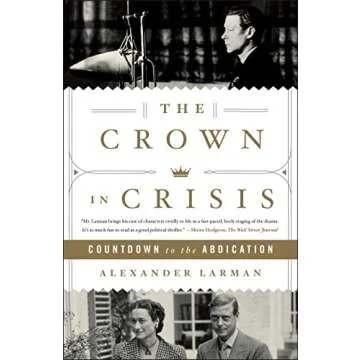
For those keen to dive deeper into the life and times of Charles II, consider reading The Merry Monarch: Charles II and His Restoration by David S. Zubatsky, which provides an insightful look into his reign, or The Restoration: A New History of the Civil War by Julian Harrington for a broader context of the era.








 Continue with Google