


A Turning Point in Catholic Reformation
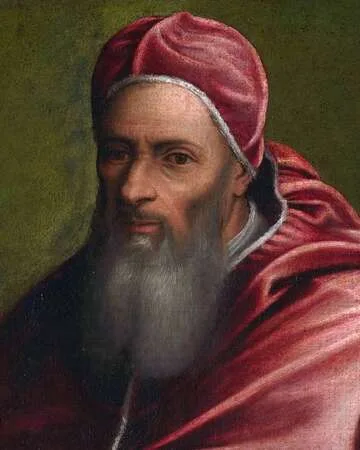
The Council of Trent is often regarded as one of the most significant events in the history of the Roman Catholic Church, particularly during the era of the Counter-Reformation. After a tumultuous start, the council resumed on May 1, 1551, under the papacy of Pope Julius III. This crucial assembly aimed to address the challenges posed by the Protestant Reformation and to clarify the doctrines of the Catholic faith.
Background of the Council of Trent
The first session of the Council of Trent began in 1545, marking a response to the growing influence of Protestantism led by figures like Martin Luther. The church needed to not only defend its positions but also to initiate some reforms, as many of its practices were under fire. The interruption of the council due to political conflicts meant that the discussions were abruptly halted until 1551.
Pope Julius III’s Leadership
With Pope Julius III at the helm, the council's resumption was marked by a renewed spirit of collaboration and determination. His goal was to solidify the church's teachings and to promote a unified Catholic front. His leadership was crucial in bringing together bishops from various regions, facilitating discussions on key theological issues.
Key Outcomes of the 1551 Session
The 1551 session of the Council of Trent was pivotal, leading to important doctrinal decisions that shaped Catholic beliefs for generations. Among the decisions was the reaffirmation of key sacraments and the importance of tradition alongside Scripture.
Doctrines Affirmed
During this session, the participants emphasized the necessity of the seven sacraments and the belief in transubstantiation in the Eucharist. These affirmations were vital in distinguishing Catholic doctrine from Protestant beliefs, re-establishing core teachings that the church deemed non-negotiable.
Calls for Reform
The council also acknowledged the need for internal reforms. There was a focus on the education of clergy and the implementation of stricter regulations on clergy conduct. Such reforms aimed to address criticisms of church corruption and to restore public confidence in the church's leadership.
Fun Fact
Pope Julius III’s Interesting Tidbit
Pope Julius III is known for his lavish lifestyle, which was often criticized. Despite this, he played a crucial role in the success of the Council of Trent, showing the complexities of leadership during turbulent times in the church.
Additional Resources
Recommended Reading on the Council of Trent
For those interested in exploring this transformative period further, consider reading The Council of Trent: Reform and Controversy in Europe and The Counter-Reformation: Catholic Europe in the Sixteenth Century. These texts provide deeper insights into the lasting impacts of the council.








 Continue with Google