


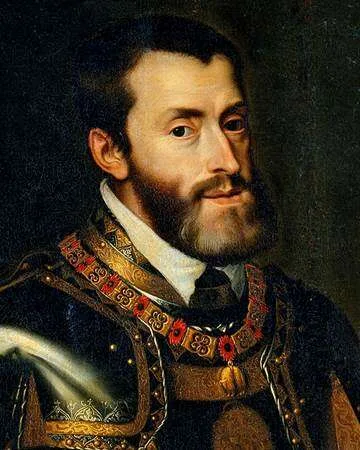
Charles V's Historic Decision to Retire
In the year 1556, a significant chapter in European history unfolded with the retirement of Charles V, the Holy Roman Emperor. After a long and tumultuous reign, which saw him govern vast territories spanning from Spain to the Americas and parts of Italy, Charles made the momentous decision to abdicate his throne. This choice marked the first time a monarch deliberately stepped down, illustrating the immense burden of ruling during such a complex political landscape.
Charles V's Legacy as a Ruler
Charles V was a pivotal figure in the Renaissance era, known for his efforts to unify Europe under his rule amidst the Protestant Reformation. His reign was marked by wars, religious conflicts, and the challenges of managing a sprawling empire. The pressures of governance eventually took their toll, culminating in his decision to retire and pursue a quieter life.
The Journey of Charles V to Spain
Upon retiring, Charles V traveled with his daughter, Maria of Hungary, back to Spain. This journey was not merely a physical relocation but symbolized his retreat from the chaos of imperial responsibilities. After returning, he yearned for solitude and reflection, seeking a peaceful environment to pass the remainder of his days.
The Tranquil Life at the Monastery of Yuste
Charles V chose the serene setting of the Monastery of Yuste in Extremadura as his new abode. This secluded location offered the former emperor a retreat away from the public eye, allowing him to reflect on his past decisions and the legacy he would leave behind. It became a sanctuary where he could engage in contemplation and solitude.
Life in the Monastery of Yuste
In the Monastery, Charles V's days were filled with writing and deep reflection. He often enjoyed his surroundings, engaging with nature and the simplicity of monastic life. Here, he could indulge in his love for art, literature, and philosophy, which were central to his upbringing in the court.
Final Years and Death of Charles V
Charles V spent the last two years of his life at Yuste, where he passed away in 1558. His death marked the end of an era not only for his personal legacy but also for the European political landscape shaped during his reign. The peaceful coexistence he sought in retirement stood in stark contrast to the tumultuous times he once governed.
Fun Fact about Charles V
A Unique Retirement Plan
Interestingly, Charles V took the unusual step of designing his own retirement. He not only chose a monastery but also had a cabinet specially built at Yuste, where he could display and organize precious artifacts collected during his reign. This personal touch made his retirement one of remarkable intimacy and reflection.
Additional Resources
Recommended Reading on Charles V
For those intrigued by the life and times of Charles V, consider exploring "Charles V: A Life" by Johnathan Jones and "The Rise of Charles V" by Philip S. Allen. These books provide in-depth insights into his life, reign, and his profound impact on European history.






 Continue with Google