


The Bankruptcy of Heinz Noble & Company
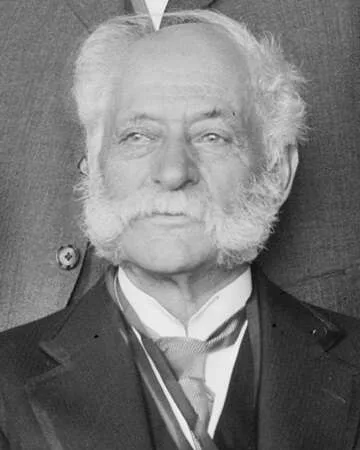
Background of Henry John Heinz
Henry John Heinz was born in 1844 in Pittsburgh, Pennsylvania, to a family of German immigrants. From a young age, he demonstrated a keen interest in food and business. By 1869, he launched his first venture, the Heinz Noble & Company, producing and selling horseradish, which was a staple condiment at the time.
Heinz Noble & Company's Unique Offerings
The Heinz Noble & Company specialized in high-quality condiments, particularly horseradish, an item that quickly captured local markets. They also ventured into other products like pickles and vinegar, gaining a small but loyal customer base. The company's innovative approach to packaging and marketing made them stand out in a competitive market.
The Aftermath of the Panic of 1873
The Impact of Economic Turmoil on Businesses
Unfortunately, the economic climate shifted dramatically with the onset of the Panic of 1873, which caused numerous businesses across the United States to fail. This financial crisis stemmed from the collapse of the banking system and a railroad bubble burst, leading to wide-spread panic and a decrease in consumer spending.
Heinz Noble & Company Goes Bankrupt
In this adverse economic environment, Heinz Noble & Company could not sustain itself and was forced to declare bankruptcy in 1875. Despite this setback, Heinz's innovative spirit remained, and he used this failure as a stepping stone to eventually create the world-renowned H.J. Heinz Company, known for its iconic ketchup and other condiments.
Lessons Learned from Failure
Resilience of Henry John Heinz
Heinz's bankruptcy taught him invaluable lessons about business resilience and adaptation. He emerged from the crisis with a renewed vision and determination to succeed. This led to the reestablishment of his company, which ultimately grew into a global brand.
Embracing Change in Business
Heinz's journey exemplifies how adversity can pave the way for innovation and success. His experience with the Heinz Noble & Company illustrated the need for flexibility in business strategies, especially during turbulent economic times.
Fun Fact
Henry John Heinz's Philanthropy
After achieving success with his renewed business, Heinz became known for his philanthropy, donating a significant portion of his wealth to charitable causes and advocating for better food safety regulations.
Additional Resources
Recommended Reading on Henry John Heinz
To learn more about the life of Henry John Heinz and his contributions to the food industry, consider reading "Heinz: The Story of a Company" or "Condiment King: The Life and Times of Henry John Heinz".












 Continue with Google