


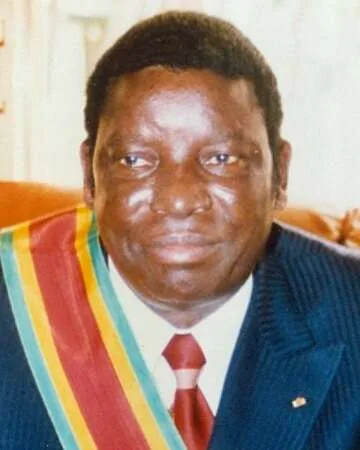
Introduction to Gnassingbé Eyadéma's Presidency
On April 14, 1967, General Gnassingbé Eyadéma seized power in Togo, marking the beginning of a lengthy period of military rule. His rise to the presidency came after a coup d'état that transformed the political landscape of Togo, a small West African nation sandwiched between Ghana and Benin. Eyadéma's governance would leave a significant mark on the country, characterized by strong authoritarian rule and military influence.
Among the Military Leadership: The Early Days of Eyadéma
Eyadéma was born on December 26, 1937, in the village of Pya, Togo. He initially served in the Togolese army before completing his military training in France. His experiences as a soldier played a crucial role in his subsequent political strategy. Following the coup in 1963, he steadily climbed the military ranks, culminating in his takeover as President in 1967.
Eyadéma's Military Coup: The Shift in Power
The coup that brought Eyadéma to power was orchestrated on the eve of political unrest in Togo. Discontent with then-President Nicolas Grunitzky's administration prompted Eyadéma, who was then a colonel, to act. With the backing of a faction within the military, he effectively ensured a seamless transition to power that would lead him to rule Togo for nearly four decades.
Eyadéma's Leadership and Governance
Gnassingbé Eyadéma's presidency was marked by a strict authoritarian regime that sought to consolidate power. His rule was characterized by significant political repression, curtailing opposition freedoms, and widespread human rights violations.
Consolidation of Power: The One-Party State
In 1969, Eyadéma established the Rassemblement du Peuple Togolais (RPT) as the sole political party, effectively creating a one-party state. This allowed him to suppress dissent and eliminate any threats to his authority. His government employed a mix of patronage and intimidation to maintain control, often using the military to quell protests.
International Relations during Eyadéma's Rule
Despite his authoritarian methods, Eyadéma maintained a close relationship with Western powers, particularly during the Cold War, positioning Togo as an ally in the region. His regime received financial and military support from the United States and France, which viewed Togo as a strategic partner.
Fun Fact
Eyadéma and His Enduring Legacy
One interesting fact about Eyadéma is that he was Togo's longest-serving leader, holding power for 38 years until his death on February 5, 2005. His legacy is complicated, reflecting both stability and repression, leaving behind a divided national sentiment regarding his impact on Togo.
Additional Resources
Recommended Reading on Gnassingbé Eyadéma
For those interested in a deeper exploration of Eyadéma's life and legacy, consider reading "Togo: An Historical Overview" and "Beyond the Coup: Governance and Development in Togo". These texts provide valuable insights into both his leadership and its ramifications on Togo's future.









 Continue with Google