


Introduction to the Political Landscape of Nepal in 1846
In the mid-19th century, Nepal was a country engulfed in political intrigue and power struggles. The country was ruled by a system where the Shah kings held a nominal power, but real authority lay with various noble families. Among these power players, a distinguished figure began to emerge: Jung Bahadur Rana. In 1846, Jung Bahadur orchestrated a coup that irrevocably altered the course of Nepal's history.
The Early Life of Jung Bahadur Rana
Born in 1817 in Kathmandu, Jammu and Nepal, Jung Bahadur was the son of a prominent military figure. He received a military education that would shape his subsequent career. Demonstrating exceptional skills in battle and an understanding of politics, Jung gradually carved a niche for himself in the court of King Rajendra. His ambition, however, extended beyond mere military accolades.
The Cause Behind the Coup
Political instability and dissatisfaction among the ruling elite paved the way for Jung Bahadur's rise. Tensions brewed between diverse factions within the government, and Jung utilized these divisions to his advantage. His adept manipulation of political alliances and fierce loyalty from the military positioned him perfectly for what would be a significant power grab.
The Significant Coup of 1846
In a decisive moment on November 14, 1846, Jung Bahadur led a bloody coup known as the Kot Massacre. He gathered a loyal force and attacked the palace where rival factions had convened. The massacre resulted in the death of many of his opponents, enabling Jung Bahadur to assert his dominance in the political landscape.
The Aftermath of the Kot Massacre
Following the Kot Massacre, Jung Bahadur swiftly consolidated power, taking the title of Prime Minister. He established a hereditary prime ministership that would see his family rule Nepal for the next century. His reign marked the beginning of the Rana oligarchy, characterized by strict control over the monarchy and suppression of dissent.
Reforms Under Jung Bahadur Rana
As Prime Minister, Jung Bahadur implemented a series of reforms that modernized the state apparatus. He introduced Western education, improved infrastructure, and reformed the administrative system. Although his methods were often harsh, these changes laid the groundwork for a more structured government in Nepal.
Fun Fact
An Interesting Fact about Jung Bahadur Rana
Jung Bahadur was not only a political figure but also a traveler. He was the first Nepalese leader to visit Europe in 1850, where he aimed to study Western governance and military systems, a rare feat for an Asian leader at that time.
Additional Resources
Recommended Reading on Jung Bahadur Rana
For those interested in learning more about this pivotal figure in Nepalese history, consider reading "Jung Bahadur Rana: The Man Behind the Mask" and "The Shahs and Ranas of Nepal". These books offer deep insights into his life, the political dynamics of Nepal during his rule, and the lasting impact of his governance.
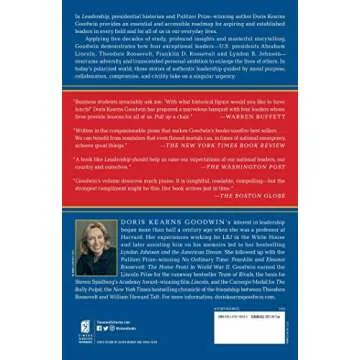

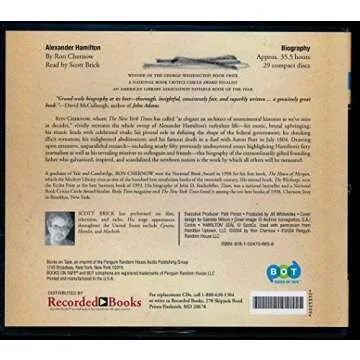
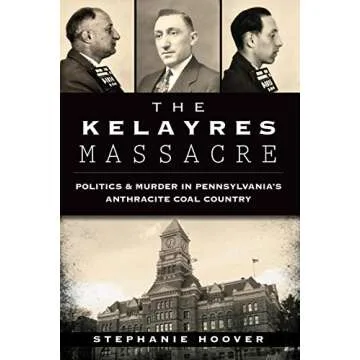


![[1476795924] [9781476795928] Leadership: In Turbulent Times-Hardcover](https://assets.giftpals.com/assets/uc/Gift/kthxw0wKlcI5/1/thumbnail_default_1.webp?AgC6P08JXAl8)





 Continue with Google