


Winston Churchill's Indomitable Spirit
Churchill's Powerful Oratory
On December 30, 1941, during a crucial time in World War II, British Prime Minister Winston Churchill delivered a powerful and emotional address to the Canadian Parliament. His speech was marked by a staunch refusal to succumb to the pressures of Hitler and his Nazi forces. Churchill proclaimed, "We shall never surrender," a resolute statement that rallied allies and strengthened the resolve of those fighting against fascism.
Call for Total War
In what became one of the most memorable passages, Churchill asserted, "They have asked for total war. Let us make sure they get it." This declaration underscored the dire circumstances faced by the Allies, emphasizing the need for unity and unwavering commitment to victory. His speech not only resonated in Canada but also stirred the heart of nations worldwide, further consolidating support for the Allied cause.
The Iconic Photograph
Yousef Karsh Captures History
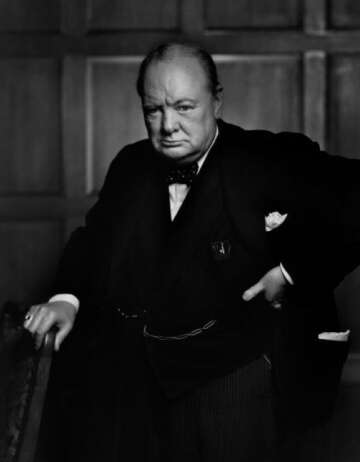
Following Churchill's stirring speech, renowned photographer Yousef Karsh had the opportunity to capture the Prime Minister’s essence in a photograph that would come to be known as “The Roaring Lion”. As Churchill sat for the portrait, Karsh famously removed the cigar from Churchill’s hand, aiming to present a more determined and commanding image. The resulting photograph encapsulated Churchill’s fierce spirit and became an enduring symbol of Britain’s resolve during the war.
Legacy of the Roaring Lion
The image of Winston Churchill as the “Roaring Lion” has echoed through history; it conveys strength, defiance, and leadership. This iconic photo and the speech that inspired it are remembered as pivotal moments in the fight against tyranny during World War II. They symbolize hope and determination, demonstrating that through unity and courage, freedom can withstand even the darkest of times.
Fun Fact
The Birth of a Legend
Did you know that the phrase “Roaring Lion” was not only a reference to Churchill’s commanding presence but also became a metaphor for Britain during World War II? It symbolized defiance against oppression and rallied citizens behind Churchill's unwavering leadership.
Additional Resources
Recommended Reading on Winston Churchill
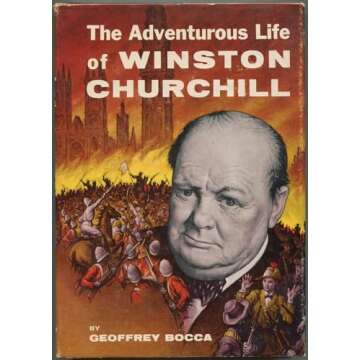
For those interested in learning more about Winston Churchill and his impact during World War II, consider reading “Churchill: A Biography” by Roy Jenkins or “The Last Lion” by William Manchester. These books provide deep insights into his life, leadership, and the dramatic events surrounding this critical period in history.





 Continue with Google