


Background of the Royal Marriage Proposal
In 1547, a significant political shift took place in England with the death of King Henry VIII. His only son, Edward VI, ascended to the throne at the tender age of 10. Meanwhile, across the border in Scotland, a young girl named Mary Stuart, or Mary Queen of Scots, was born into controversy and power struggles. Early on, both kingdoms recognized the potential alliance through marriage that could unify England and Scotland, fueling political ambitions amid escalating tensions between the two nations.
Edward VI: A Boy King
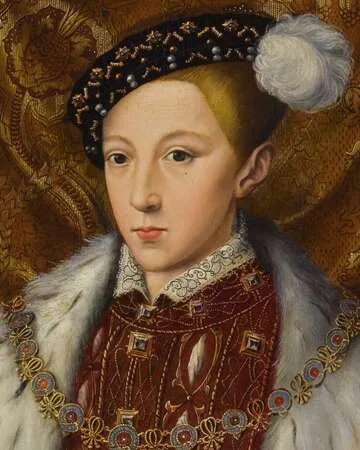
As king, Edward VI faced enormous pressure from advisors and noble factions as England maneuvered through a tumultuous political landscape. Though young, he was seen as a unifying figure who could solidify Protestant reformations. His royal lineage and potential marriage to Mary Queen of Scots could strengthen England's claim over Scotland, an enticing prospect for those seeking greater stability and control in the region.
Mary Queen of Scots: A Symbol of Unity
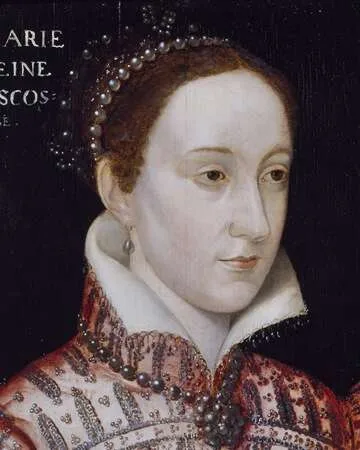
Mary was not only the Queen of Scots but a potent symbol for English Catholics who opposed the Protestant reforms sweeping through England. Her marriage into English royalty would offer her legitimacy and support in her struggle for the Scottish crown, making her an attractive bride for young Edward. The marriage was viewed as a way to create an alliance that could bring about peace and mutual benefit for both realms.
The Political Maneuvering Behind the Marriage Proposal
The idea of a royal marriage between Edward VI and Mary Queen of Scots was deeply entwined with the power dynamics of the time. Advisors to Edward VI, especially Duke of Somerset, were keen on forging this alliance. They believed that marrying Edward to Mary would ensure dominance over Scotland and inhibit any claims that rival factions might pose against the English crown.
Mary’s Status and Potential Threats
Mary's situation was precarious; she was a Catholic in a Protestant England. While a marriage alliance was desirable, her presence posed a significant threat to Edward's legitimacy as king among those loyal to Catholicism. Marrying her could also fuel her ambitions for the Scottish throne, complicating matters further.
The Reactions of Both Courts
As this proposal became public, reactions in both courts were mixed. The English court saw this as a potential strengthening of their political power, while many factions within Scotland were wary of further English influence. The marriage diplomacy showcased how royal unions were used strategically to bolster sovereign powers and navigate perilous political waters.
Fun Fact
The Young Queen’s Political Power
Despite being only five years old at the time of the proposal, Mary Queen of Scots was already considered a powerful political pawn in a larger game of thrones. Her eventual marriage would create significant ramifications for both Scotland and England, changing the course of history.
Additional Resources
Recommended Reading on Edward VI and Mary Queen of Scots
For those interested in exploring more about this intriguing chapter of history, consider reading "Mary Queen of Scots" by Alison Weir and "Edward VI: The Lost King of England" by Chris Skidmore. These works provide deeper insights into the lives, politics, and challenges faced by both Edward and Mary.






 Continue with Google