


Overview of the Second Battle of Winchester
The Second Battle of Winchester, fought from June 13 to June 15, 1863, marked a significant conflict during the American Civil War. Located in Winchester, Virginia, this battle was a critical engagement between the Confederate and Union armies, highlighting the strategic importance of the region. It followed the earlier battle fought in 1862 and set the stage for further military actions in the Valley Campaigns.
Background of the Second Battle of Winchester
The battleground for the Second Battle of Winchester had historic significance due to its location along the vital Valley Pike, which was critical for both Union and Confederate logistics. In the spring of 1863, General Robert E. Lee prepared to invade the North. To protect his flank, he sent General Richard S. Ewell's Corps to capture Winchester and disrupt Union operations.
Major Forces Involved in the Battle
The battle pitted Major General Robert H. Milroy’s Union forces against Confederate troops led by General Richard S. Ewell. Milroy commanded approximately 6,000 men, while Ewell had a larger contingent of around 18,000 soldiers. This numerical disadvantage would prove pivotal as the Confederates strategized to flank the Union positions.
The Course of the Battle
As June unfolded, Ewell's Confederates advanced towards Winchester, initiating a series of skirmishes that escalated into a full-blown battle. The Union defenses were compromised, and despite fierce fighting, the disorganized retreat led to significant losses.
Key Events of the Battle
During the battle, the Confederates launched a series of coordinated assaults, using their superior numbers to encircle and overwhelm the Union positions. The decisive moments came when they captured key terrain, forcing Milroy’s forces to retreat in disarray.
Consequences of the Second Battle of Winchester
The victory at Winchester allowed the Confederates to secure the Shenandoah Valley and provided Lee with a pathway into Pennsylvania. It also underscored the difficulties faced by the Union forces in maintaining control over the region and highlighted the resilience of the Confederate army.
Fun Fact
Second Battle of Winchester’s Interesting Fact
Interestingly, this battle is sometimes overshadowed by the larger engagements that followed, like the Battle of Gettysburg. However, it is considered a critical precursor to the Gettysburg Campaign, showcasing the ebb and flow of the Civil War.
Additional Resources
Recommended Reading on the Second Battle of Winchester
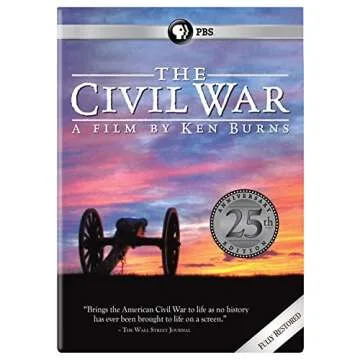
For those who wish to delve deeper into this pivotal event, consider reading The Civil War: A Narrative by Shelby Foote, which offers comprehensive insights into the various battles and figures of the Civil War, including Winchester.




 Continue with Google