


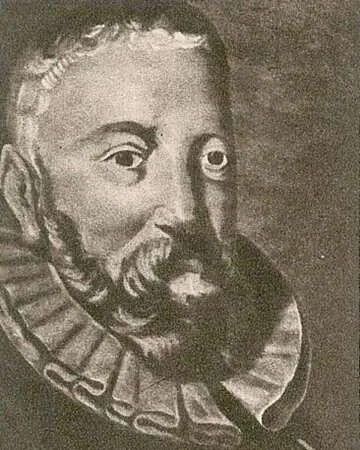
Setting Sail for Spices: An Overview of the Second Dutch Expedition
The Second Dutch Expedition to the East Indies, led by Cornelis de Houtman in 1598, marked a significant chapter in the history of European exploration and trade. Sailing from Amsterdam, this mission sought to capitalize on the lucrative spice trade, which was incredibly desirable in Europe during that time. The quest for spices like cloves, nutmeg, mace, cinnamon, and pepper was propelling many nations into fierce competition, sparking a new wave of voyages towards Southeast Asia.
Cornelis de Houtman: The Leader of the Expedition
Cornelis de Houtman, a Dutch navigator born in 1565, was the figurehead of this pivotal expedition. Prior to this journey, de Houtman had already gained valuable experience in maritime navigation and trade. This experience proved crucial as he took command of the fleet, and the expedition was underpinned by hopes of establishing a stronghold in the highly coveted spice market. His leadership and ambition set the stage for one of the initial mappings of the trade routes that would become immensely valuable to the Dutch East India Company.
The Journey Begins: Departure from Amsterdam
The fleet departed Amsterdam in 1598, carrying not just provisions but the aspirations of a burgeoning maritime power. The journey was fraught with challenges, including the perils of long ocean voyages and possible encounters with enemy ships. Dutch traders aimed to break the Portuguese and Spanish monopoly on the spice trade, making this expedition both a commercial and strategic endeavor.
The Impact and Legacy of the Expedition
The Second Dutch Expedition was a cornerstone in the eventual establishment of the Dutch East India Company in 1602, which would dominate the spice trade in Asia for centuries. The expedition served as a precursor to future missions that would expand Dutch influence across the region.
Economic Ambitions: The Spice Trade
Spices were not only a culinary delight but also served as status symbols in Europe. The demand for spices such as cloves and nutmeg drove the expansion of trade routes and exchanges between Europe and the East Indies. The success of de Houtman's fleet opened the floodgates for subsequent expeditions, leading to substantial economic prosperity for the Netherlands.
Challenges Faced During the Expedition
Despite its ambitious beginnings, the expedition encountered numerous obstacles. The long journey was riddled with hardships, including illnesses among crew members and treacherous pop-in weather conditions. Moreover, the expedition faced hostility from local populations, complicating their interactions and trade negotiations in the East Indies.
Fun Fact
Cornelis de Houtman's Bold Decision
During the expedition, Cornelis de Houtman famously decided to split his fleet into two, a risky maneuver aimed at maximizing their chances of finding and establishing trade. This bold move reflected the high-stakes strategy employed by explorers of the era.
Additional Resources
Recommended Reading on Cornelis de Houtman
For those interested in diving deeper into the life and adventures of Cornelis de Houtman, book titles like The Spice Wars and De Houtman: The Great Dutch Voyages offer fascinating insights into the maritime exploits of the period and the impact of such expeditions on global trade.








 Continue with Google