


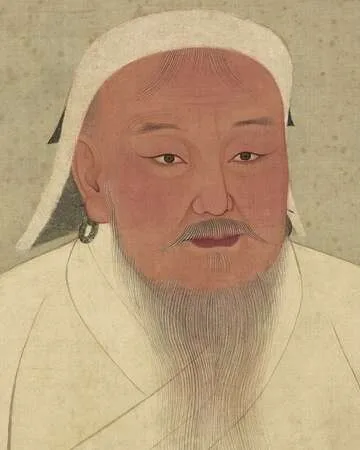
The Siege of Bukhara: An Overview
The Siege of Bukhara in 1220 marked a significant moment during Genghis Khan's campaign against the Khwarezmian Empire. Bukhara, a vital city in present-day Uzbekistan, was renowned for its cultural prosperity and strategic importance on the Silk Road. The siege lasted for 12 grueling days, during which Genghis Khan's Mongol forces employed sophisticated siege tactics against the fortified city.
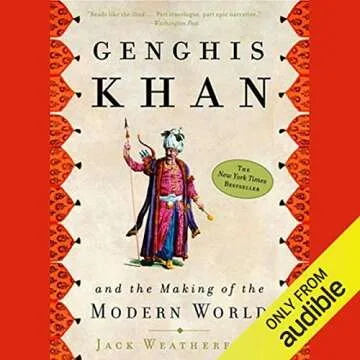
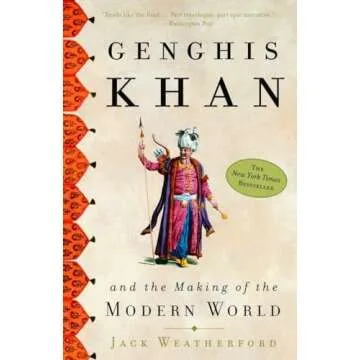
Genghis Khan, known for his unmatched military acumen, orchestrated the siege effortlessly. By employing a mix of psychological warfare and relentless assault, the Mongols broke the Khwarezmian defenses. The stark efficiency in their tactics not only demonstrated the might of the Mongol army but also instilled fear in neighboring territories, altering the power dynamics in the region. As the siege progressed, the residents of Bukhara faced dire conditions, leading to the death of approximately 30,000 citizens. The collapse of the city not only showcased the overwhelming force of the Mongol army but also served as a harsh lesson for other cities that might oppose Genghis Khan. The aftermath of the siege left lasting psychological scars on the region's populace. The fall of Bukhara had profound strategic and symbolic implications for Genghis Khan's campaigns. It confirmed the Mongol ascendancy over Central Asia and further motivated Genghis Khan's troops to pursue additional conquests in the Khwarezmian Empire. The conquest of Bukhara opened up new pathways for the Mongols, allowing them to control vital trade routes and cities across Central Asia. It enabled the Mongol Empire to expand its influence significantly, disrupting the previously established power structures in the Islamic world. The legacy of the Siege of Bukhara still resonates today. It serves as a historical reminder of the vast changes brought by the Mongol invasions in the 13th century, shaping not only the political landscape but also cultural exchanges along the Silk Road. Despite the devastation during the siege, Bukhara was later rebuilt and became a key center for Islamic learning and culture. Its mosques and madrasas attracted scholars, weaving a rich tapestry of history that highlights the resilience of the city. For those interested in learning more about this pivotal period, consider reading "Genghis Khan and the Making of the Modern World" by Jack Weatherford and "The Mongol Art of War" by Timothy May. These books provide deeper insights into Mongolian military strategies and Genghis Khan's impact on history.Genghis Khan's Military Strategy
The Impact on Bukhara's Citizens
The Aftermath of the Siege
Strategic Significance of Bukhara's Fall
Legacy of the Siege of Bukhara
Fun Fact
Bukhara's Enduring Influence
Additional Resources
Recommended Reading on Genghis Khan and his Conquests









 Continue with Google