


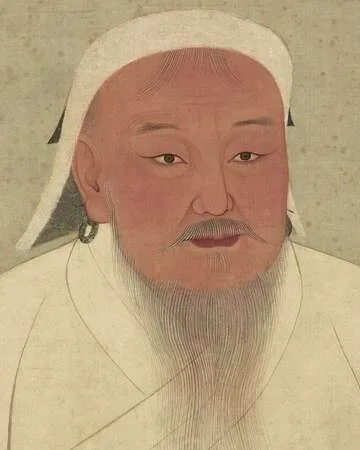
The Fall of Peking to the Mongol Conquerors
In the year 1215, the city of Peking, known today as Beijing, faced one of the most devastating sieges in its long history. At the time, Peking was a bustling metropolis with a population of over one million, ruled by Emperor Xuanzong of the Jurchen-led Jin Dynasty. It was under this emperor's control that Genghis Khan and his formidable Mongol army set their sights on the city. Unbeknownst to its inhabitants, this would mark the beginning of a brutal assault that would last for a month.
The Mongol forces, known for their incredible military tactics and relentless pursuit of conquest, encircled the city, laying siege to its defenses. With a combination of psychological warfare and sheer military might, Genghis Khan's troops effectively dismantled the Jin defenses. What happened next would not only change the history of Peking but also the trajectory of the entire region.
Genghis Khan's Tactical Brilliance
Genghis Khan, the mastermind behind this operation, implemented innovative wartime strategies that favored mobility and surprise. His army was highly organized and utilized advanced siege tactics, including the use of catapults and psychological warfare to ensure maximum impact. The Jurchen defenses, while formidable, were no match for the sheer ferocity and determination of the Mongol forces.
The Aftermath of the Sack
After weeks of relentless siege, Peking finally fell to the Mongol invaders. The aftermath was catastrophic—citywide looting ensued, with valuable treasures, livestock, and food supplies pillaged by the Mongol troops. This gruesome sack lasted for a month, resulting in significant loss of life and widespread destruction. The fall of Peking not only marked a critical moment in Genghis Khan's campaign but also a notable shift in power dynamics in the region.
The Impact of Genghis Khan's Conquests
The sack of Peking showcased the might of Genghis Khan's army and served as a warning to other cities within the Jin Dynasty and beyond. The fall of such a significant city represented the beginning of a series of territorial expansions that led to the Mongol Empire's dominance over much of Asia.
The End of Jin Dynasty's Control
As the Mongols continued their campaigns, the Jin Dynasty's reign over northern China gradually diminished. The loss of Peking dealt a severe blow to their authority and marked the rise of Mongol influence in East Asia. The Mongols would go on to capture more cities, establishing an empire that would stretch across continents.
Warfare and Governance Transformed
The fall of Peking demonstrated a pivotal transformation in the methods of warfare and governance. Under Mongol rule, the region would experience not only conquest but also a blending of cultures, significantly impacting trade and communication across Asia. Genghis Khan's legacy of administrative reforms and cultural exchanges began here, post-conquest.
Fun Fact
The Lasting Legacy of Genghis Khan and Peking
One intriguing fact about Genghis Khan's conquests is how they laid the foundation for the modern nations of Mongolia and China. The sack of Peking marked not only a military victory but also a significant cultural shift that would influence the region's future.
Additional Resources
Recommended Reading on Genghis Khan
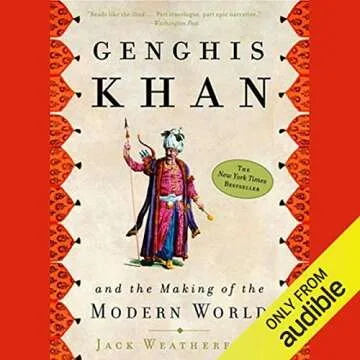
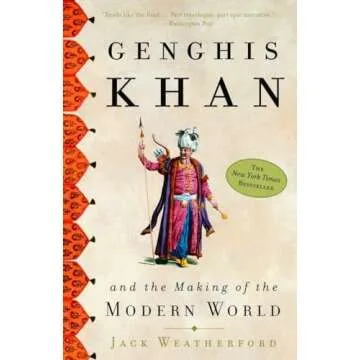
For those interested in diving deeper into the life and conquests of Genghis Khan, we recommend the book "Genghis Khan and the Making of the Modern World" by Jack Weatherford. This book offers profound insights into the Mongol Empire and its far-reaching impacts on history.







 Continue with Google