


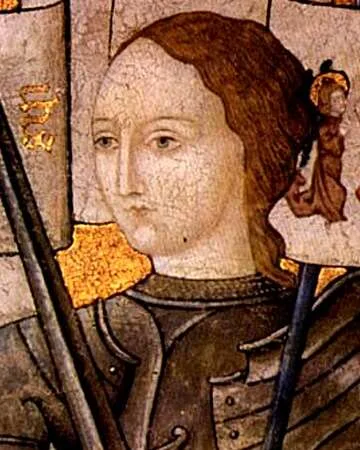
The Siege of Orléans: A Pivotal Moment in the Hundred Years' War
The **Siege of Orléans**, which spanned from October 1428 to May 1429, was a significant battle during the **Hundred Years' War** between England and France. The city of Orléans was strategically vital, serving as a key stronghold that controlled access to the Loire River. In the early months of the siege, the **English forces**, led by the Earl of Salisbury, laid siege to the city, hoping to secure it and consolidate their power in France.
Despite facing overwhelming odds and dwindling supplies, the defenders of Orléans, including the **French soldiers** and local militia, maintained their resilience. As the siege progressed, a spark of hope arrived in the form of a young peasant girl known as **Joan of Arc**. Her extraordinary vision and unwavering faith ignited a movement that would change the course of the war.
Joan of Arc's Arrival
In early 1429, **Joan of Arc**, armed with divine inspiration, arrived in Orléans. Claiming that she had received visions from saints instructing her to save France, she quickly gained the trust of the besieged inhabitants and became a symbol of hope. Her leadership and fervor invigorated the French troops, who were demoralized by months of siege.
Strategy and Breakthrough
Joan initiated a bold military strategy to relieve the siege. On May 4, 1429, French forces launched a surprise attack against the English. Under Joan's leadership, her troops recaptured several key fortifications and pushed back the English lines. This remarkable turnaround in fortune culminated in a decisive victory for the French on May 8, 1429, when the **Siege of Orléans** was finally broken.
The Impact of Joan of Arc's Victory
The breaking of the siege marked a turning point in the **Hundred Years' War**. Joan of Arc's victory at Orléans not only lifted the spirits of the French soldiers but also galvanized the nation to rally against English rule. Her efforts led to the coronation of **Charles VII** as the King of France in Reims shortly after, solidifying her role in French history.
Consequences for the English
The defeat at Orléans was devastating for the English and shifted the momentum of the war toward the French. It signaled the beginning of a series of French victories that would ultimately lead to the expulsion of English forces from most of France.
Joan of Arc's Legacy
Joan's courage and leadership during the siege have made her a legendary figure in history. Even after her capture and execution in 1431, her legacy as a national heroine of France endured, inspiring countless generations. Her role in the **Siege of Orléans** remains one of the most celebrated episodes in the history of the **Hundred Years' War**.
Fun Fact
Joan of Arc's Interesting Fact
Did you know that Joan of Arc was only 17 years old when she led the French army to victory at the Siege of Orléans? Her youth and determination made her an inspiring figure who rallied troops and citizens alike in the face of seemingly insurmountable odds.
Additional Resources
Recommended Reading on Joan of Arc
If you want to dive deeper into the life and impact of **Joan of Arc**, consider reading the book "Joan of Arc: A History" by Helen Castor or "Saint Joan" by George Bernard Shaw for a dramatic interpretation of her life and legacy.








 Continue with Google