


The Lost Slave Ship Fredensborg
The Fredensborg’s Journey
The Fredensborg was a Danish slave ship that began its infamous journey in the late 18th century. In 1768, it was carrying enslaved Africans when disaster struck off the coast of Norway. The ship’s voyage was part of the larger transatlantic slave trade, a harrowing chapter in global history marked by the forced movement of millions of individuals into slavery.
The Sinking Incident
On the fateful day in 1768, the Fredensborg encountered rough seas near Tromøy, Norway. The crew struggled valiantly to navigate the treacherous waters, but ultimately, the ship took on water and sank, tragically leading to the loss of life. This event highlights the perils of maritime navigation during this era, especially for ships involved in the slave trade.
The Rediscovery of the Fredensborg
Exploration and Excavation
More than 200 years after its sinking, the Fredensborg was rediscovered in 1974. Marine archaeologists conducted extensive research to locate the wreck, unveiling important artifacts that told the story of the people involved in the ship’s tragic fate. The excavation revealed items that were used on board, providing insights into the conditions faced by enslaved persons at sea.
The Significance of the Discovery
The rediscovery of the Fredensborg serves as a poignant reminder of the brutal history of slavery and its enduring impacts. The artifacts salvaged not only have archaeological value but also contribute to the dialogue surrounding the history of the slave trade, helping educate future generations about this time in history.
Fun Fact
The Historical Impact of the Fredensborg
Interestingly, the Fredensborg is now considered a significant site for maritime archaeology, illustrating the intersection of trade, slavery, and maritime disasters. Its story sheds light on the broader implications of the slave trade and its consequences.
Additional Resources
Recommended Reading on the Fredensborg
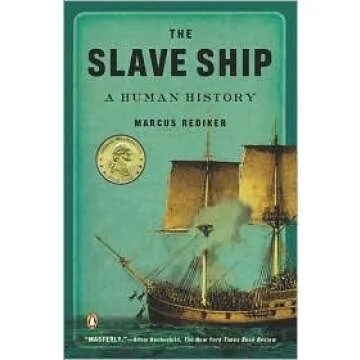
To further explore the history surrounding the Fredensborg, consider reading “The Slave Ship: A Human History” by Marcus Rediker and “Bury the Chains: Prophets and Rebels in the Fight to Free an Empire's Slaves” by Adam Hochschild, both of which provide crucial context to understanding the slave trade.







 Continue with Google