


The Beginning of Public Adoration
In the year 1226, a remarkable shift occurred within the Roman Catholic Church that would enhance the faith of many believers: the practice of public adoration of the Blessed Sacrament began to spread from monasteries into local parishes. This new tradition offered laypeople the opportunity to engage deeply with their faith through a visible and central aspect of Catholic worship—the exposition of the Eucharist.
What is Public Adoration of the Blessed Sacrament?
Public adoration involves the reverent display of the consecrated elements of the Eucharist—specifically in the form of the Host—where the faithful gather to pray and worship. This custom emphasizes the belief in the real presence of Christ in the Eucharist, fostering a personal and community connection to the divine. Prior to its spread, such practices were largely confined to monastic settings, where monks would devote their lives to prayer and contemplation.
The Role of Monasteries
Monasteries played a critical role in the early form of this devotion, as they were places where monks engaged in constant prayer and reverence of the Sacrament. The seamless blending of prayer and sacramental worship within these religious communities cultivated a profound respect for the Eucharist, ultimately inspiring clergy to introduce this practice to parishes. With monks setting an example, local churches began to adopt similar rituals, allowing the laity to participate in the sanctity of worship.
The Impact on Parishes
The spread of public adoration to parishes fundamentally changed the landscape of Catholic worship. By inviting parishioners to worship and pray before the Blessed Sacrament, churches fostered a heightened spiritual life among their communities. This transition not only democratized access to this sacred devotion but also encouraged a culture of reverence around the Eucharist, as more individuals experienced a direct connection to their faith.
Enhancing Community Faith
As more parishes implemented public adoration, the community aspect of worship flourished. Parishioners came together in prayer before the Eucharist, sharing their faith and hopes as they collectively experienced a deeper understanding of their beliefs. This sense of belonging as a community was crucial in reinforcing the bonds within the church and the spirit of unity among believers.
Long-term Effects of This Practice
The practice of public adoration continued to evolve throughout the centuries, solidifying its place as a staple in Roman Catholic tradition. The memories of those early gatherings in the 13th century paved the way for the establishment of Eucharistic congresses and the ritualistic observations we see today. This significant development from the year 1226 has left an enduring legacy that continues to inspire countless faithful around the world.
Fun Fact
The Miracle of Lanciano
One remarkable event that underscores the significance of the Eucharist is the Miracle of Lanciano, which dates back to the 8th century. In this event, a priest doubting the real presence of Christ in the Eucharist witnessed the Host turn into real flesh and blood during Mass, reinforcing the beliefs that underly the practice of public adoration.
Additional Resources
Recommended Reading on Public Adoration
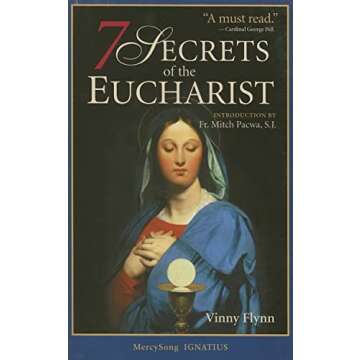
For those interested in deepening their understanding of this sacred practice and its history, consider reading Eucharistic Adoration: A Guide for Parishes and A Catechism on the Eucharist. These works provide further insight into the significance of the Blessed Sacrament and the devotion that surrounds it.





 Continue with Google