


The Dramatic Turn in Chess History
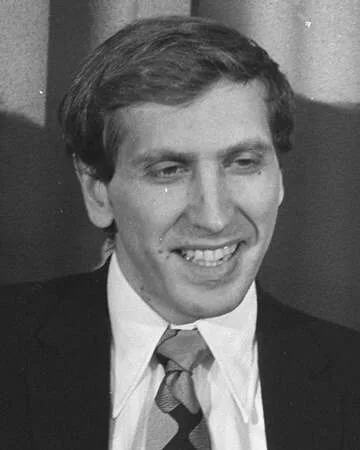
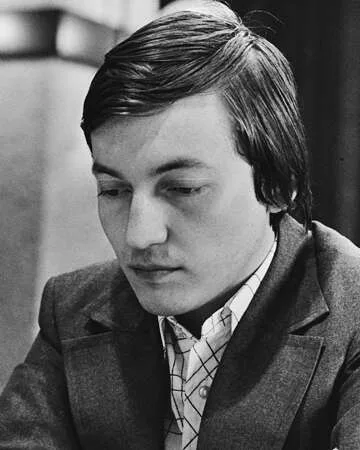
In 1975, the world of chess witnessed a monumental shift when grandmaster Bobby Fischer was stripped of his hard-earned world championship title. This event marked the transition of the chess crown to the Soviet chess prodigy, Anatoly Karpov. Fischer, who had previously defeated Boris Spassky in the legendary 1972 match, was renowned not only for his extraordinary skills but also for his controversial stances.
Bobby Fischer's Legacy
Born in 1943 in Chicago, Fischer became a renowned figure in chess, famously captivating audiences with his unmatched talent and intense rivalries. His victory in the 1972 World Chess Championship was a defining moment that placed him at the center of the Cold War's ideological battleground, as he represented the U.S. against the Soviet Union's Spassky. However, Fischer's complex personality and unpredictable behavior began to overshadow his successes, leading to strained relations with the chess authorities.
The Decision to Not Defend the Title
As Fischer’s title defense approached in 1975, his demands for changes to the championship rules created a rift between him and the World Chess Federation (FIDE). He proposed various conditions, including a new match format and different prize structures, but FIDE rejected his terms. In the wake of his refusal to participate in the match against Karpov, FIDE awarded the title to Karpov by default—marking a bitter end to Fischer's reign.
Anatoly Karpov: The New Champion
Following Fischer's abdication, Anatoly Karpov stepped into the limelight as the new World Chess Champion. Karpov was known for his strategic prowess and positional style, which won him immense respect in the chess community. His ascent was perceived not only as a victory over Fischer but also as a continuation of the Soviet dominance in the chess world.
Karpov's Path to Glory
Having been trained under the Soviet system, Karpov’s rise to the top was supported by rigorous practice and theoretical knowledge. His disciplined approach to the game enabled him to take on challenges with resilience, paving the way for his championship victory. With Fischer sidelined, Karpov enjoyed a period of prolonged success in international chess.
The Impact on Chess Culture
The fallout from Fischer’s refusal to defend his title reverberated throughout chess circles, highlighting the growing tensions between the personal aspirations of individual players and the structured regulations imposed by governing bodies. Fischer's unique persona and Karpov’s composed demeanor reshaped the narrative of chess during the late 20th century, influencing future generations of players.
Fun Fact
Bobby Fischer’s Remarkable Career
Despite his eccentricity, one of Bobby Fischer’s most fascinating achievements is that he won the 1970 Interzonal tournament, which qualified him for the world championship. This tournament remains one of the strongest ever held, showcasing his brilliant talent and strategic mind.
Additional Resources
Recommended Reading on Bobby Fischer and Chess History
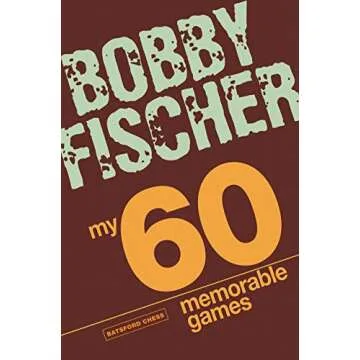
For those interested in delving deeper, consider reading "Bobby Fischer Teaches Chess" or "My Great Predecessors" by Garry Kasparov for insightful perspectives on Fischer’s life and impact on chess.









 Continue with Google