


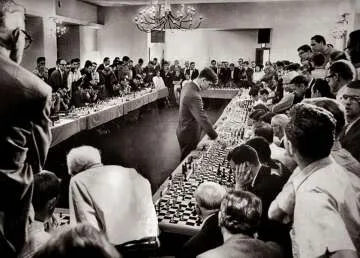
The Historic Match: Bobby Fischer vs. Boris Spassky
The year was 1972, and the world of chess was about to witness a showdown that would captivate a global audience. In the small, picturesque city of Reykjavik, Iceland, American chess grandmaster Bobby Fischer faced off against the reigning champion from the Soviet Union, Boris Spassky. This match not only determined the World Chess Champion but also marked a significant moment in the Cold War era, showcasing not just a battle of intellect but also a cultural clash between the two superpowers.
The match began on July 11 and was played over the course of 21 games, with Fischer emerging victorious with a score of **12.5 to 8.5**. This victory made Fischer the first American to hold the title of World Chess Champion, inspiring countless players in the United States and elsewhere to take up the game.
Fischer's Rise to Stardom
Born in Chicago in 1943, Fischer's passion for chess was evident from a young age. By the age of 15, he had already become the youngest ever U.S. Chess Champion, displaying an extraordinary talent and a unique playing style that challenged traditional approaches. His ascent to the world stage culminated in the epic match against Spassky, where he combined brilliant strategy with unparalleled psychological tactics.
The Pressure of the Match
The 1972 match was not only a contest of skill but also a manifestation of the pressures Fischer faced. Often described as erratic and complex, Fischer's personality both fascinated and intimidated his opponents. As the games progressed, he found himself in the spotlight, bearing the weight of a nation’s expectations while also navigating the intense scrutiny from the press and the broader implications of the Cold War rivalry.
The Aftermath of the Championship
Fischer's victory in Reykjavik went beyond personal achievement; it reshaped chess as a popular sport around the globe. The match was extensively covered by the media, with millions tuning in to watch the games. Fischer became a national hero in the United States, while Spassky remained a symbol of the Soviet chess tradition.
Fischer's Legacy in American Chess
The win in 1972 solidified Fischer’s status as a chess legend and breathed life into the chess community in America. His innovative approaches to the game and sharp tactics became the subject of study for aspiring players. To this day, Fischer’s games are analyzed for their depth and creativity, influencing generations of chess enthusiasts.
The Cultural Impact of the Match
Beyond the chessboard, the Fischer-Spassky match was emblematic of a larger cultural movement. As chess became more mainstream, it was not just seen as a pastime but as a serious intellectual pursuit. The event’s publicity also sparked a surge in chess-related interests, leading to increased participation at schools and clubs across the United States. Chess books, magazines, and tournaments flourished in the aftermath.
Fun Fact
Bobby Fischer's Interesting Fact
A fascinating tidbit about Bobby Fischer is that despite his genius on the chessboard, he was known for having an aversion to many aspects of traditional life. He often had contentious relationships with sponsors and organizations, preferring to play in a way that was true to his own ethos rather than adhere to conventional norms.
Additional Resources
Recommended Reading on Bobby Fischer
For readers looking to dive deeper into the world of Bobby Fischer, "Bobby Fischer Teaches Chess" is an excellent starting point, providing insights into his thinking process. Another great read is "Without Remorse: Bobby Fischer's Impressive Game Strategy", which explores his games in detail. Together, these works provide a comprehensive view of his contributions to the game.






 Continue with Google