


The Significance of the JN-25 Code
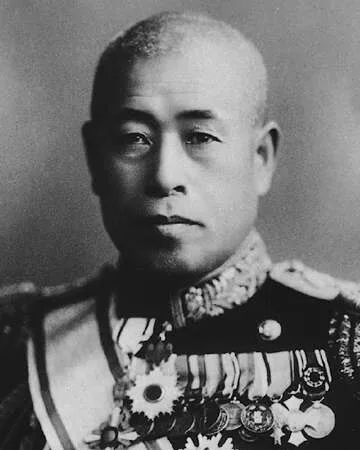
The JN-25 code was a sophisticated Japanese Naval code used during World War II, which became a critical point of focus for American intelligence. In **April 1943**, American cryptographers successfully intercepted and decrypted a message related to a crucial visit by **Japanese Navy Marshal Admiral Isoroku Yamamoto** to Bougainville in the Solomon Islands. This interception marked a significant achievement in the realm of military intelligence, showcasing the pivotal role that codebreaking played in the **Pacific Theatre** of World War II.
The Interception of Yamamoto's Plans
On **April 14, 1943**, the United States Navy intercepted a JN-25 coded message that revealed Yamamoto's plan to visit Balalae Airfield. This intelligence was vital, as Yamamoto was the mastermind behind the attack on Pearl Harbor and had been a central figure in Japan's naval strategies throughout the war. Recognizing the importance of this opportunity, U.S. intelligence moved swiftly to devise a plan for an air strike against his aircraft.
Decoding and Action Plan
Once the critical message was decrypted, American leaders, including Admiral Chester W. Nimitz, were able to orchestrate a coordinated attack. This involved sending multiple P-38 Lightning fighter aircraft to intercept Yamamoto's plane during its journey. The meticulous planning and execution of this operation highlighted the growing capabilities of American military intelligence and aviation technology.
Execution of the Operation
On **April 18, 1943**, just four days after the message was decrypted, American pilots took to the skies with a singular mission: to eliminate Yamamoto. The operation was named "Operation Vengeance," and it exemplified the effectiveness of intelligence-gathering efforts during the war.
The Downing of Yamamoto's Plane
The American pilots successfully located and engaged Yamamoto's aircraft, resulting in a dramatic aerial confrontation. The attack led to the shooting down of Yamamoto's plane, effectively killing one of Japan's most prominent military leaders. This event not only dealt a blow to Japanese morale but also marked a major success for the United States in terms of strategic military efforts.
Aftermath and Impact
The assassination of Yamamoto sent shockwaves throughout Japan and altered its strategic planning going forward. This event emphasized the value of intelligence and how codebreaking efforts could change the tide of war. The successful execution of Operation Vengeance stands as a testament to the resilience and ingenuity of American forces during World War II.
Fun Fact
Isoroku Yamamoto's Interesting Fact
Isoroku Yamamoto was an educated leader who had studied in the United States at Harvard University, where he developed an appreciation for American culture and military strategy, which added a complex layer to his role in the conflict.
Additional Resources
Recommended Reading on Isoroku Yamamoto
For deeper exploration into the life of Yamamoto and the dynamics of World War II, consider reading "Yamamoto: The Man Who Tried to Die" by **W. D. Ehrhart** or "Ghosts of War: The True Story of the 4th Marine Division" by **James W. Hurst**. These works provide insight into both Yamamoto's strategies and the broader implications of military intelligence during the war.









 Continue with Google