


Overview of the Turkish Counterattack 1915
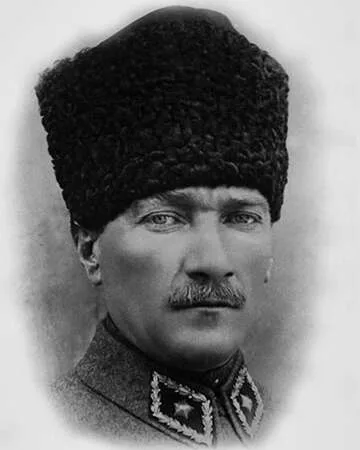
In the tumultuous backdrop of World War I, the Turkish Counterattack of 1915 emerged as a pivotal moment in fighting against the Allied forces. Under the skilled command of Mustafa Kemal Atatürk, the Turkish Ottoman forces launched a fierce counteroffensive aimed at regaining lost ground in the Gallipoli Campaign. This event not only marked a turning point in military tactics but also showcased Atatürk's burgeoning military prowess that would later influence his political career.
Mustafa Kemal Atatürk and His Leadership
Mustafa Kemal Atatürk, born in 1881 in Thessaloniki, Greece, rose through the ranks to become an influential military leader. His tactical brilliance during the Turkish Counterattack proved fundamental in reshaping the fate of the Turkish army. At a time when the odds were stacked against them, his ability to inspire his troops and employ strategic formations allowed Turkish forces to reclaim critical positions and inflict significant casualties on Allied troops.
The Strategic Importance of the Gallipoli Campaign
The Gallipoli Campaign, initiated by the Allies with the ambition of creating a new front against the Ottoman Empire, aimed to secure a sea route to Russia and debilitate Turkish strength. However, the fortification and countermeasures employed by leaders like Atatürk turned the tide in favor of the Ottoman forces during the 1915 counterattack, thereby cumbersomeing Allied strategies in the region.
Consequences of the Turkish Counterattack
The aftermath of the Turkish Counterattack had far-reaching consequences on both military and national fronts. While it led to a series of Allies' setbacks, it also solidified Atatürk's reputation as a formidable military leader. This victory instilled a sense of nationalism and pride among the Turkish forces and the populace.
Impact on Allied Forces
The resistance met by Turkish troops during this counterattack forced the Allied command to reconsider their strategies and operations in the region. The high rate of losses and the unexpected turn in battle dynamics led to a reevaluation of their plans, ultimately contributing to the withdrawal of Allied forces from Gallipoli.
Formation of National Identity
Atatürk’s leadership in the counterattack played a pivotal role in shaping a collective Turkish national identity. The success against Allied troops during the counterattack galvanized support for the Turkish National Movement, setting the stage for future reforms and the eventual establishment of the Republic of Turkey in 1923.
Fun Fact
Mustafa Kemal Atatürk’s Path to Legacy
Mustafa Kemal Atatürk later became the first President of Turkey and is regarded as the father of modern Turkey. His reforms transformed a war-torn empire into a progressive nation state.
Additional Resources
Recommended Reading on Mustafa Kemal Atatürk
To learn more about this influential leader and the impact of the counterattack, consider reading "Atatürk: The Rebirth of a Nation" by Patrick Kinross or "The Turkish War of Independence" by J. F. W. Wright.






 Continue with Google