


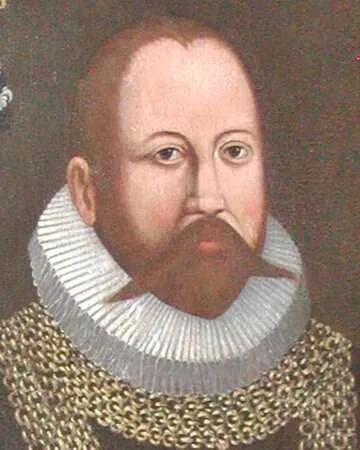
The Groundbreaking Tychonic System
In 1578, the renowned astronomer Tycho Brahe made a monumental leap in the field of astronomy with the conceptualization of the Tychonic System. This model presented a unique hybrid of the geocentric and heliocentric theories that had long dominated scientific debate. At its core, the Tychonic System positioned the Earth at the center of the universe, around which the Sun and Moon orbited, while the other planets revolved around the Sun. This was a bold move, especially as the heliocentric model proposed by Copernicus was gaining traction.
Tycho Brahe: The Innovator
Tycho Brahe, born in 1546 in Denmark, was not only an astronomer but also an astute observer of the celestial bodies. His meticulous observations and his insistence on empirical evidence laid the groundwork for future astronomers, including Johannes Kepler. Brahe’s insistence on blending the old and the new in the Tychonic System demonstrated his unique perspective and significant contributions to the scientific method.
The Features of the Tychonic System
One of the standout features of the Tychonic System is its ability to reconcile the observations of planets with the philosophical and theological beliefs of the time. By placing Earth at the center, Brahe catered to the prevalent geocentric views while integrating the heliocentric principles that offered a more accurate prediction of planetary motion. This innovative approach underscored the importance of observation in astronomy, shifting the field from pure speculation to a more evidence-based science.
Impact and Legacy of the Tychonic System
The Tychonic System had far-reaching implications for future scientific inquiry. While it ultimately lost favor to the heliocentric model, it represented a critical step in the evolution of astronomy. This system paved the way for further investigation and understanding of planetary movements, with Kepler later refining the ideas further into elliptical orbits. Thus, Brahe's framework was not just a conclusion but a springboard for future exploration in celestial mechanics.
The Tychonic System and Its Influences
The model provided by Brahe was instrumental in bridging the gap between two prevailing theories of the cosmos. While scholars continued to debate the nature of the universe for many years, Brahe's contribution allowed for a more systematic approach to astronomical studies, influencing notable figures in the years to come.
Modern Reflections on the Tychonic System
Today, the Tychonic System is often revisited within the context of historical astronomy. Its merit lies not only in the scientific ideas it presented but also in its reminder of how scientific communities adapt and evolve their understanding based on new observations and evidence. The model remains a testament to intellectual resilience in addressing the universe's complexities.
Fun Fact
Tycho Brahe’s Unique Observational Methods
A fascinating detail about Tycho Brahe was his use of a large, manually operated observatory, where he meticulously recorded astronomical data without the aid of telescopes, which had not yet been invented. His detailed observations were unrivaled for nearly a century and formed the foundation of modern astronomy.
Additional Resources
Recommended Reading on Tycho Brahe
For those interested in delving deeper into Tycho Brahe’s life and contributions, consider reading "Tycho Brahe: His Life and Work" and "The Tycho Brahe Letters", which detail his theories and the tumultuous era of astronomy in which he lived.



![[By Jill McDonald] Hello, World! Solar System-[Board book] Best Selling book for |Children's Astrono...](https://assets.giftpals.com/assets/uc/Gift/i3uc7HKWqdjF/1/thumbnail_default_1.jpeg?kGja2T22D6Qk)




 Continue with Google